

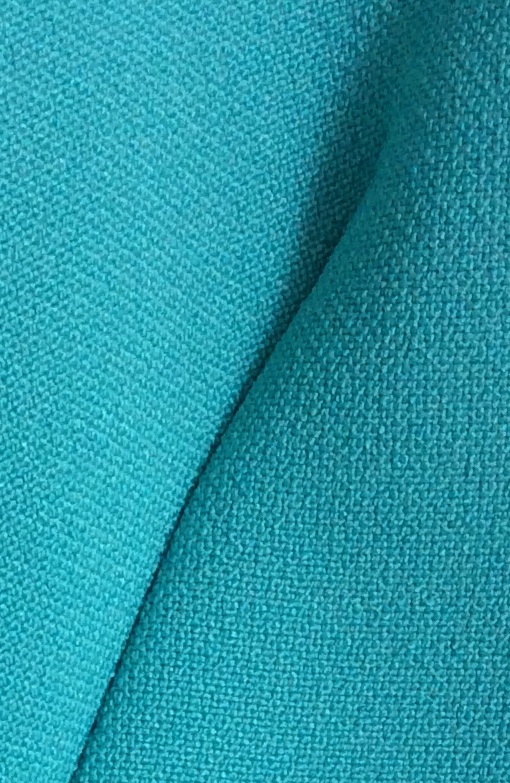
(NB The illustrations are taken from my own clothes, to avoid copyright infringement. A linen hat, greatly magnified, an embroidered silk robe, a Harris tweed jacket and a modern, non-iron, crease free dress shown at several times enlargement)
I enjoyed this book so much, I wanted to share it. So…….
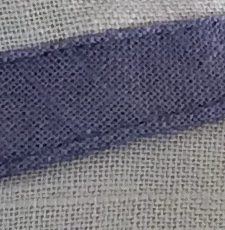
The Golden Thread by Kassia St Clair, was, for me, riveting. It traces the evolution of fabric from 43000 years ago – from fibres found in a cave from this time, to the technical fabrics used today to help sportspeople achieve higher, faster, better. There were even traces of dye from 32000 years ago on the oldest fragments! Each chapter tells the story of a key fabric in human development. To say that I found this book a real page turner is an understatement. The book charts fabric as it develops though time from the fine, costly linen used to shroud the Egyptians, through the precious and secret silk of The Sixteen Kingdoms in China and Tibet around the fourth century.
Who knew that 5 processes were required to produce thread from flax that could be woven? New words for me were “bast” and “rett”; both part of the multiple processes required to make a usable linen fabric. And I was again astonished to find that while our linen fibres today range from 12-30 microns, the mean diameter of ancient Egyptian fibres was only15 microns!
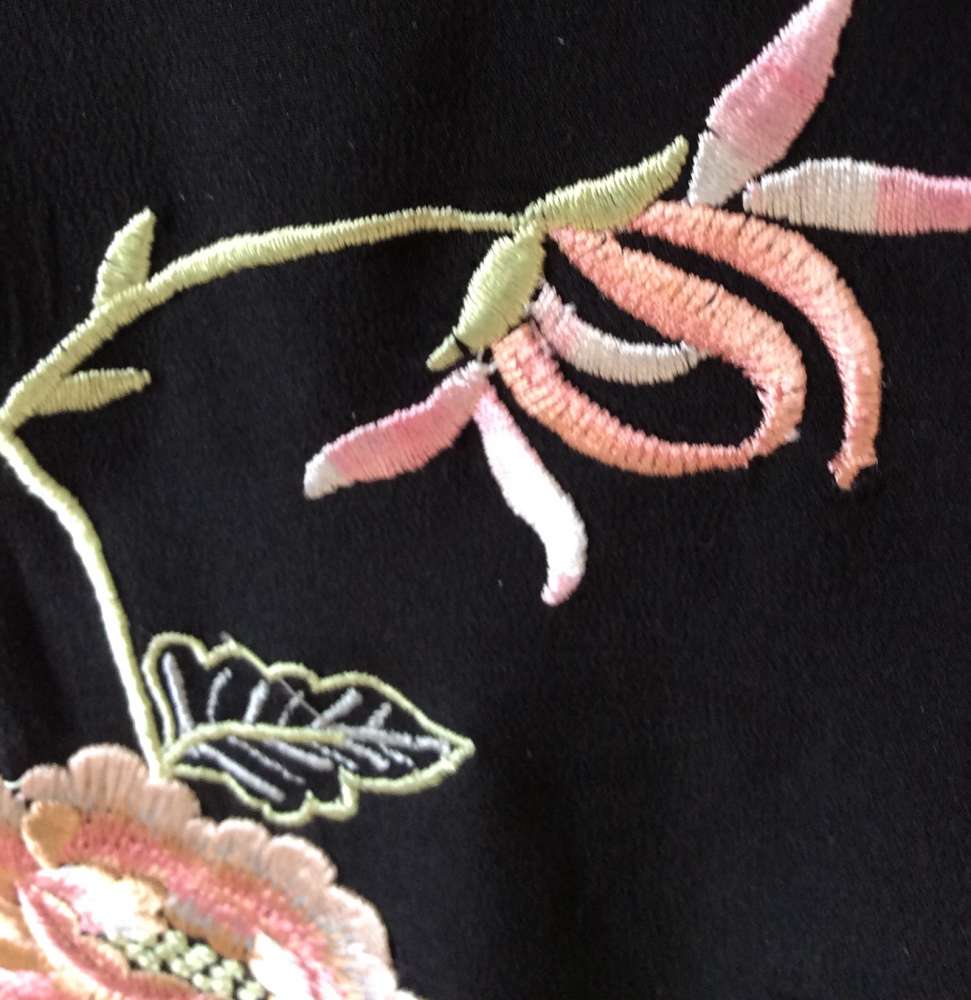
Su Hui created a very early silk poem about her errant husband, who had broken her heart, and whom she hoped to win back. Her Star Gauge was a complex form of poetry executed on silk woven from the cocoons of mulberry silk moths and so prized that to be caught carrying even one out of China meant death for centuries! The story of The Silk Roads was as exciting as any adventure story, and like every section of this book, leaves me wanting to read more about parts of the world so advanced at a time when much of the western world was hardly cohesive.
Viking textiles are not something I had read about previously, and I did not know that longship graves held traces of the silks traded from distant China, and that sails were made of linen, cotton, hemp and wool. Yet these textiles explored much of the globe, even as far as America, where there is clear evidence of early exploration from Scandinavia.
The chapter on the history of wool was also extremely detailed. Our own history and prosperity is still in evidence every time one of the spokespersons of the House of Lords leans on the Woolsack to harangue-or otherwise- his/her peers. I wonder if they have ever had trouble with mice in the Wool? And thank goodness our Sumptuary Laws are no longer in force. I, for one, would hate to be condemned to the dull, uninspiring and limited colours and uncomfortable, itchy, rough fabrics relegated to the great unwashed British public of the medieval era – as I assuredly would be!
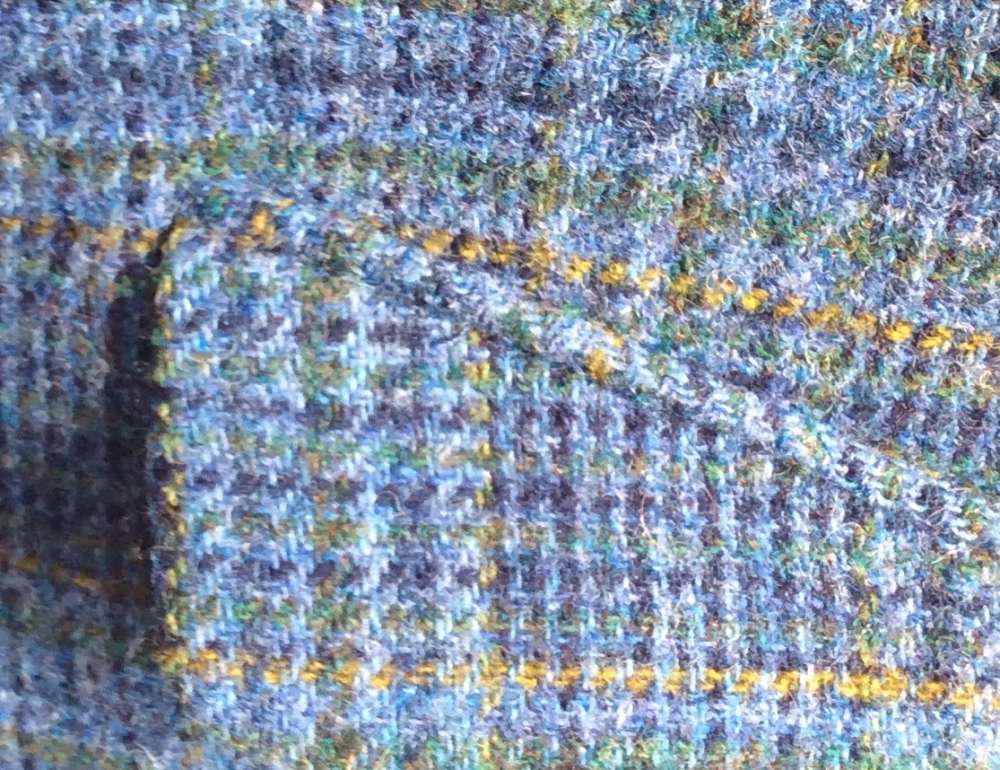
The Venetian lace section sent me hunting for Holbein and Vermeer images. “A non-woven fabric made with a needle and thread or threads wound onto bobbins” does not even begin to honour the beauty and delicacy of any of the many forms of lace. I was spellbound as I researched the knitted, neddle-made, bobbin, woven, golden-and silver-threaded tissues: I was even inspired to learn tatting after reading this! And I had no idea that both Mary, Queen of Scots and Catherine de Medici were famous needlewomen of their day! I wonder did they ever wear their own creations? Could it be that we see their handiwork in those vivid portraits?
Cotton was, as we know very much entwined ( sorry-it is getting to me) in the history of the slave trade, and a very great deal has been written and filmed on the subject but this section still sent me to the dictionary to look up copperas and homespun. Slaves wore homespun; owners wore fine wool, silk, lace and linen….
And that led on to the colours of fabric, but that is another blog entirely.
In our own more recent history, Scott’s Antarctic expedition relied on wool, silk and cotton to keep them warm, from woollen long johns to the baize lining of the jackets. The chapter is not for the sensitive: not only does it describe the ill-fated expedition, but also tells the story of the lost Everest mountaineer. I wonder that anyone survives at those temperatures, however they are clad. Such sad, sad stories are bound up with our explorers, along with the achievements.
Following chapters reveal the stories of the people using Artificial Silk, or rayon as we now call it. Used for lingerie and stockings it was greatly prized in World War 2. Nylons were required dressing for the smart woman-and sought after. And I was greatly cheered to know that the highly technical materials used in the Moon landings, (which I remember), were sewn by ladies in the Playtex factory! Extraterrestrial temperatures which vary from -157 to +154 degrees needed a great deal of research and development. And to realise that fabrics can be banned for sporting use because of their performance enhancing properties really does make you realise swimming has come a very long way indeed since the days of demure Victorian bathers, and the 1908 Olympic rules which decreed that elbow to knee dressing was mandatory for all competitors!


Excellent Margaret! Really enjoyed reading your Blog – lots and lots I didn’t know. Thank you
Thank you! I could have written pages! I really recommend it.