

Having decided to make a quilt using blocks how do you choose which block (or blocks) to use? Do you find a theme (stars for instance) or look for a name that appeals (how about Cats and Mice?). Perhaps you want to use just one block many times or two blocks alternating but then you have the problem of working out what size to make them so that the rotary cutting measurements aren’t too complicated – involving sixteenths of an inch or worse. Or perhaps you have a lot of left-over triangles to use up and need some ideas for those. Where to go for inspiration, ideas and pictures? There are many blocks listed on the internet – just type ‘patchwork block’ into your search engine to see – but not all of the lists are helpful. These are some of the books I turn to when I need a block or two or more for a quilt or I feel the need to make something but I’m feeling short of inspiration.
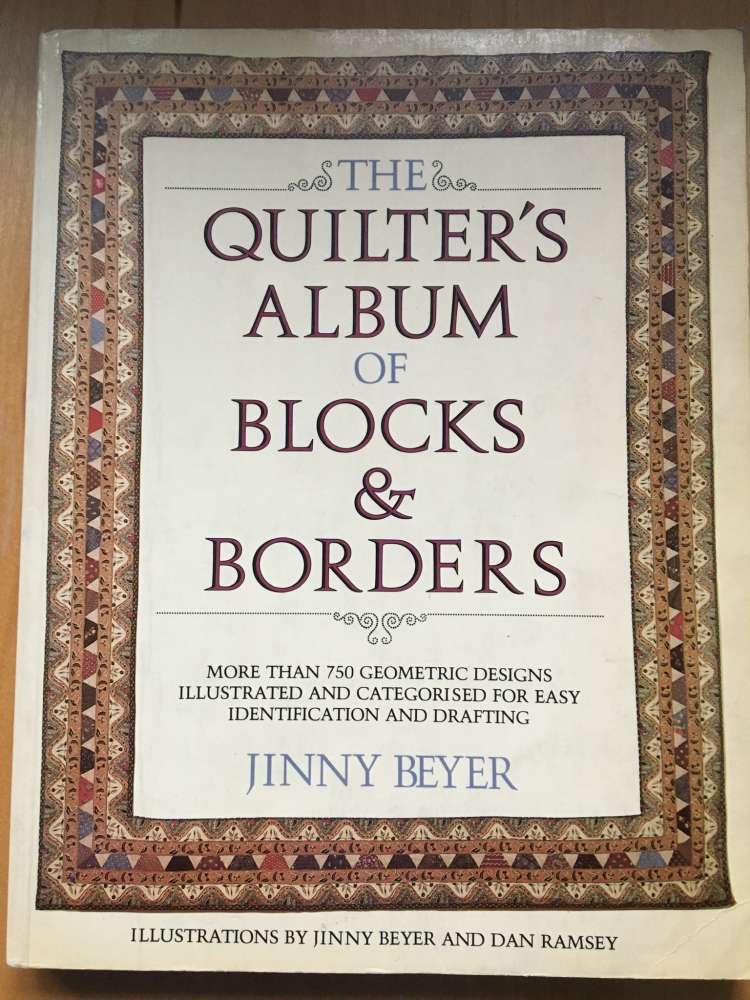
Jinny Beyer’s Quilters’ Album of Blocks and Borders was the first one I bought. It has just black and white diagrams but includes a huge variety of blocks helpfully listed by ‘grid’ – 4-patch, 9-patch, 5-patch etc – and even included a plastic overlay with grids printed on it so you see how the block was constructed from different smaller units. It’s still one of the first ones I go to when looking for blocks.
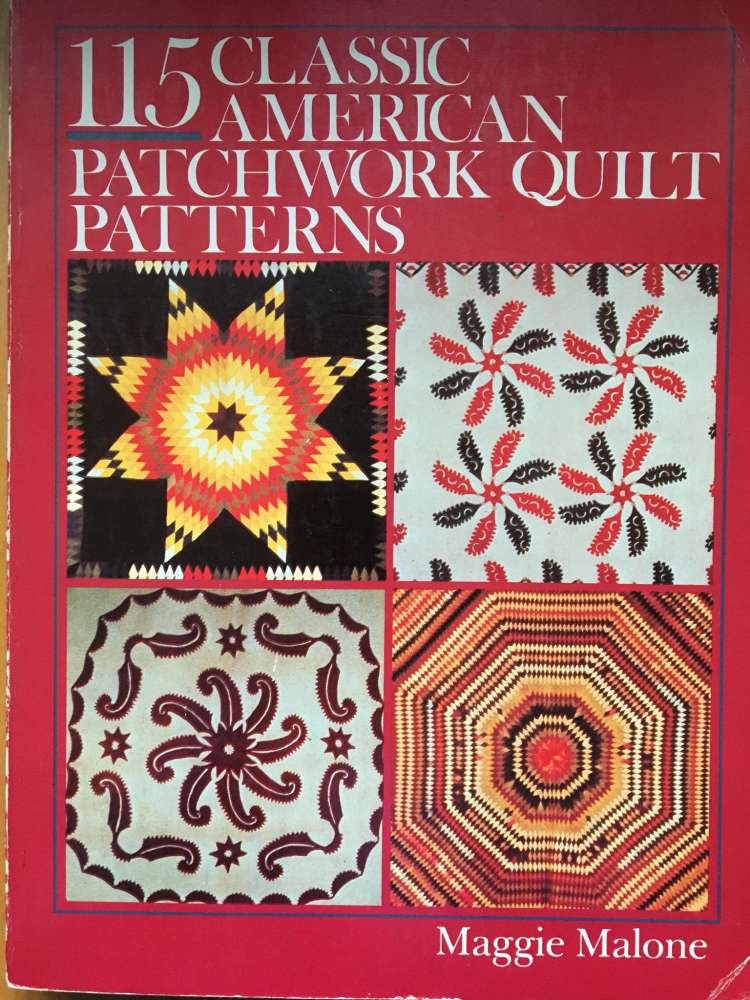
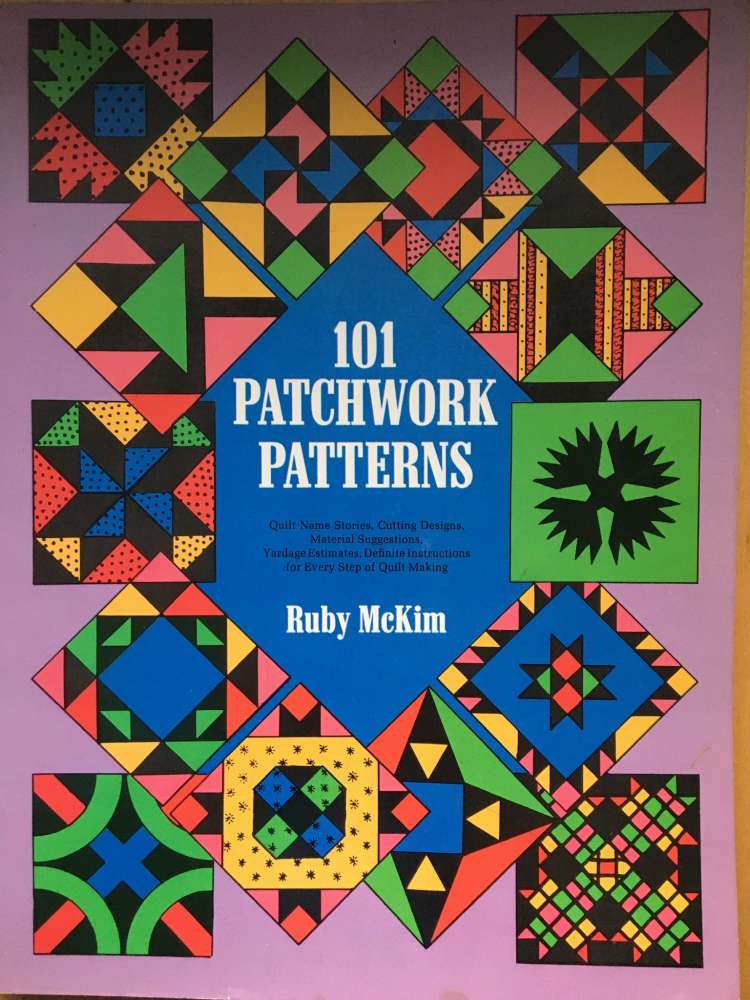
The next two books I bought had not just black and white pictures of the blocks but included templates and (brief) instructions on piecing. Maggie Malone’s 115 Classic American Patchwork Quilt Patterns lives up to its title with outlines not just to make the blocks but quilts as well as it tells you how many of what size block to make for a quilt and gives yardages as well.. It was first published in 1977 but I have the revised edition from 1984. A similar book is Ruby McKim’s 101 Patchwork Patterns. This was originally published in 1931 and reissued by Dover in 1962 but the patterns are now available to download from the internet thanks to her grand-daughter.
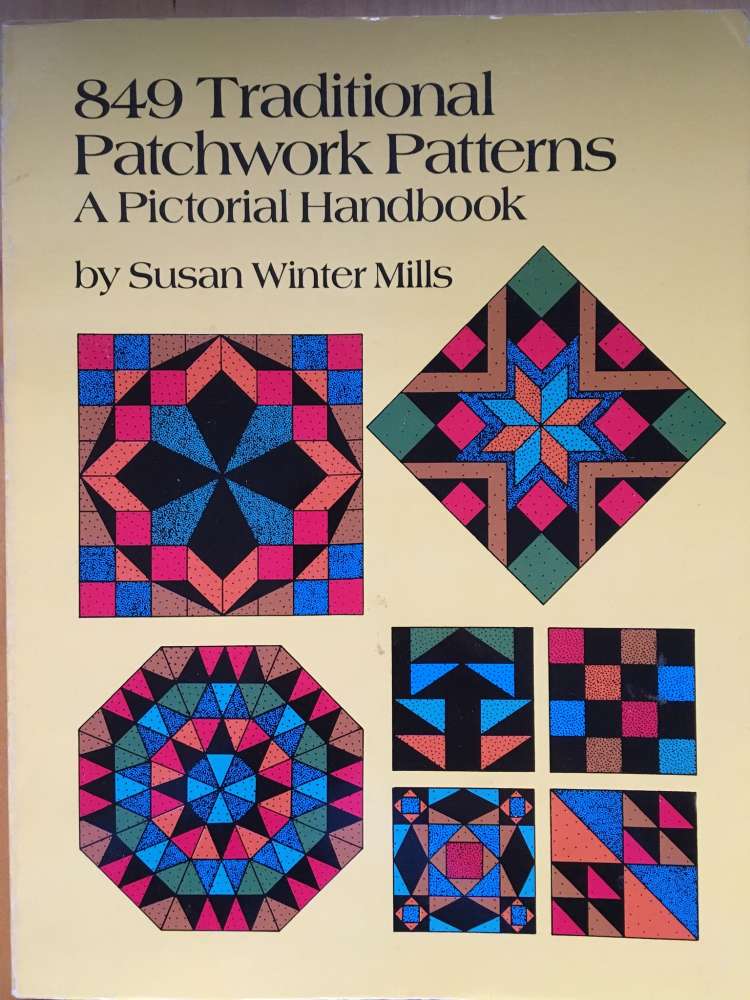
Another book from Dover is 849 Traditional Patchwork Patterns by Susan Winter Mills which lists and illustrates blocks (still in black and white diagrams) according to the main shapes in the blocks – triangles, squares, circles etc so it is very useful if you are wanting to use up a collection of scrap squares for instance.
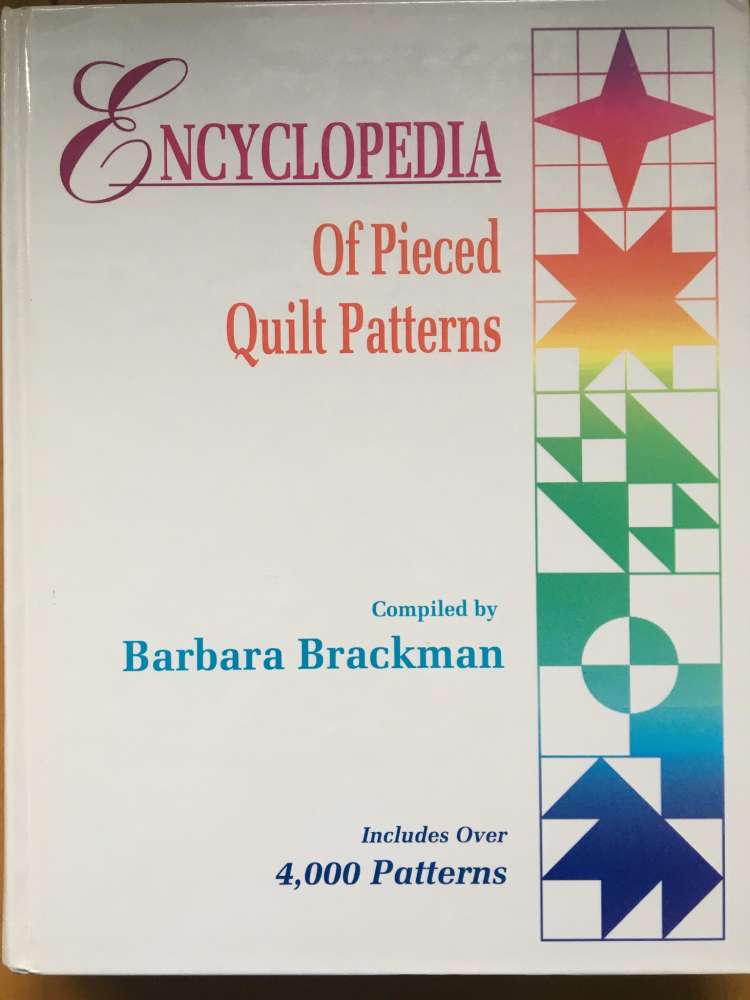
The ultimate encyclopaedia of blocks is Barbara Brackman’s Encyclopaedia of Pieced Quilt Patterns. There are thousands of blocks listed in here each with a small black and white diagram. They are arranged by type and grid and also include a lot of information about the various names for each block – where and when it was first published for instance. It also has a very comprehensive index of all those names which is useful when looking for blocks with a theme. The blocks from this book are the ones included in Block Base (sister program to Electric Quilt) – another fabulous resource, if a trifle pricey.
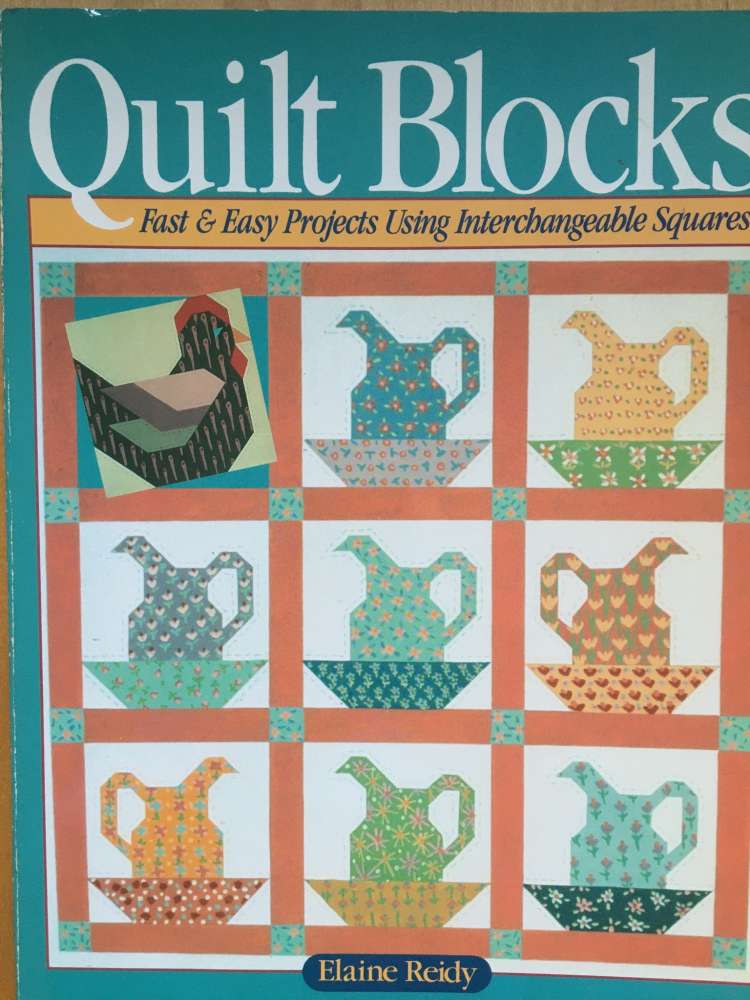
Coming slightly more up to date I have the aptly named Quilt Blocks by Elaine Reidy published in 1991. This has colour plates of the blocks as well as black and white diagrams and templates together with a few projects. The blocks are her own designs and are pictorial – there is a baby duck, a coffee grinder, a crab and some cats for instance – great for pieced (rather than applique) pictorial quilts.
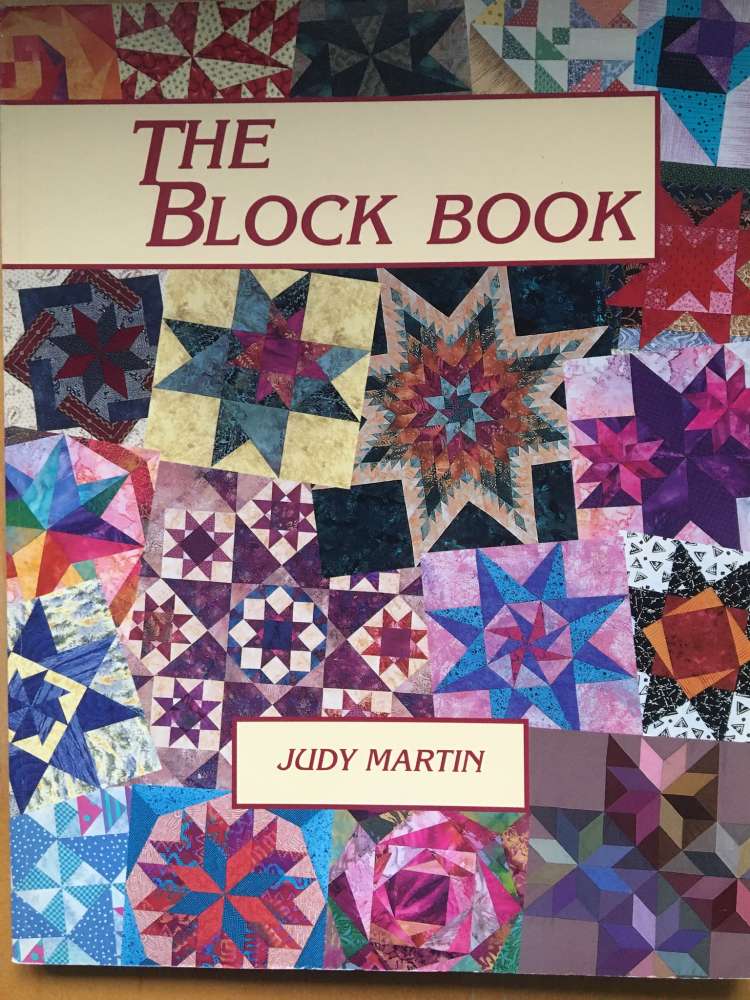
Judy Martin’s books are all full of inspiration and new ideas. This one is simply called The Block Book and includes a wide variety of blocks graded by size – ‘grand blocks’, 12 inch blocks and 10½ inch blocks. There are colour pictures of the blocks as well as black and white diagrams, templates and piecing instructions.
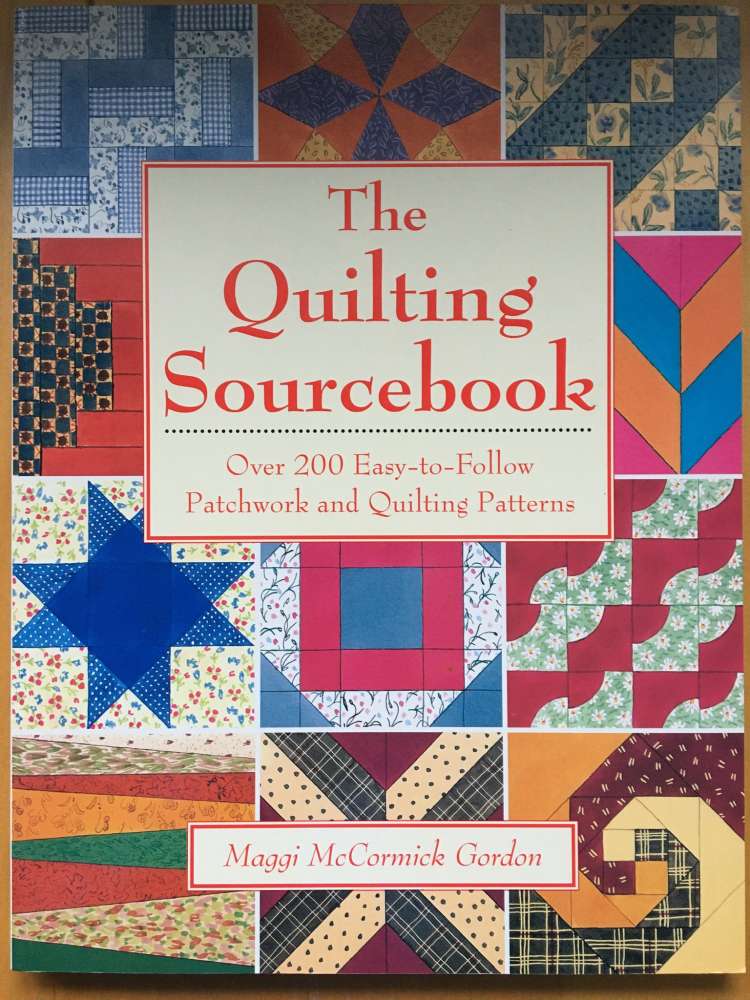
Finally I have a book called The Quilting Sourcebook by Maggi McCormick Gordon, published in 1997, which has the subtitle ‘over 200 easy-to-follow patchwork and quilting patterns’. It is a combination of a how-to and block book with plenty of colour illustrations on how to make a variety of blocks and units; but although it has instructions for the blocks it has no measurements or templates. It includes a number of quilting designs as well. It might have fitted in well with last month’s theme of how-to books, but as it also has a large number of blocks in it I decided to put in with this month’s lot.

This is a really valuable blog for anyone who uses blocks. There are so many books about and they vary immensely in content and quality, so to be given a guide to a set of really detailed staple publications is enormously helpful.
Thanks, Maggie. Although as a caveat – my bookshelf doesn’t include anything more up-to-date that last century when it comes to block books I’m ashamed to say. I’m really missing the quilt shows this year as it it such a good opportunity to browse for books.