

In my blogs here I am trying to show the various units that make up most of the patchwork blocks we find in quilts – units such as half-square triangles (HST), quarter-square triangles (QST) and Flying Geese. Once we know how to make these units, in whatever size we choose, then making blocks – either traditional or our own design (yes, this is ‘allowed’) – is very easy. Not forgetting that we can use these units on their own to make quilts, they are not restricted to being part of a block.
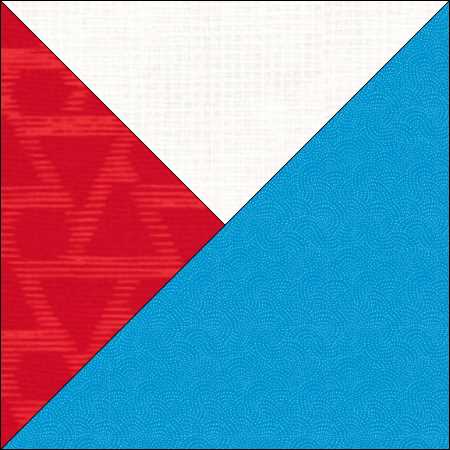
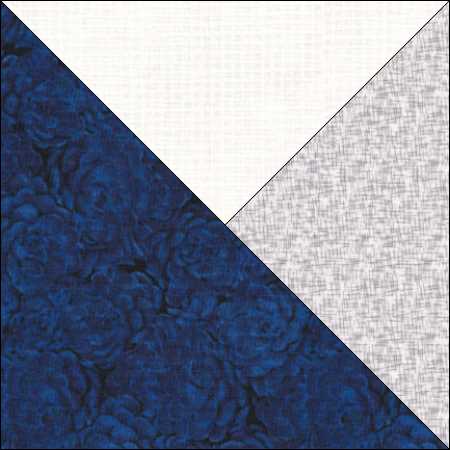
This month it is the turn of what I call the 3-triangle unit. These units pop up in all sorts of blocks. They consist of a half-square triangle and two quarter square triangles. The easiest way to make them without giving yourself a headache is to cut all the triangles out first and then sew them together (QSTs first and then these to the HST). You can use the tables of sizes for these units just as if you were making HST or QST units – so, if making a 3 inch finished unit you would need a 3⅞ inch square for the HST and a 4¼ square for the QSTs.
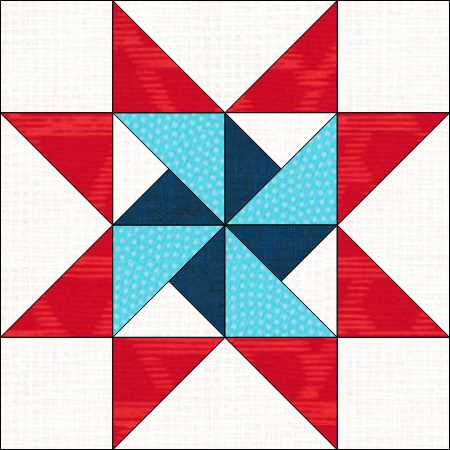
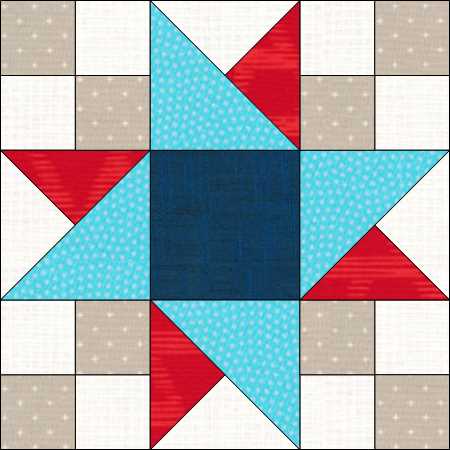
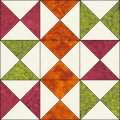
Usually you need four identical units for each block as they occur in the centre of a block – to form a pinwheel overlaying a small square – or at the edges (in the middle) so they form a double star. You could design a new block by putting them in the four corners as well so they make pinwheels where the blocks meet.
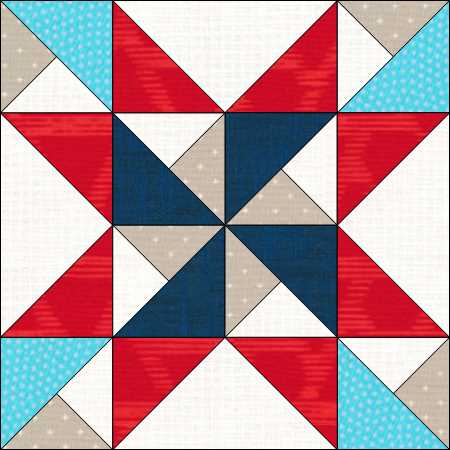
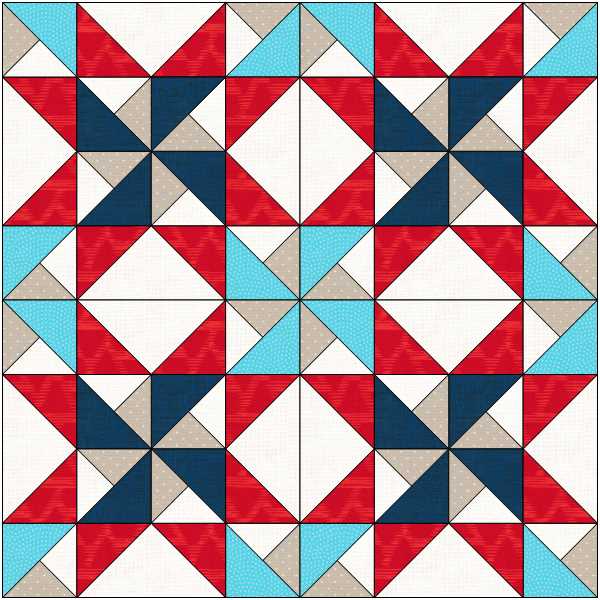
. I’ve done this with Martha Washington’s Star to make this new block and then put four together to make a quilt. We have been making some of these units and blocks in our classes recently and we had to keep reminding ourselves that in many of them it doesn’t matter if you sew the units the wrong way round as, providing you have sewn them all the same wrong way, your pinwheel will just spin backwards.
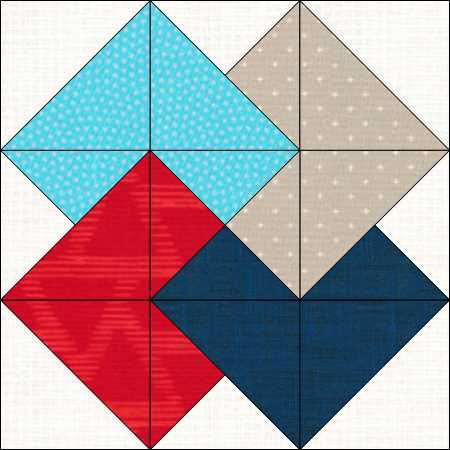
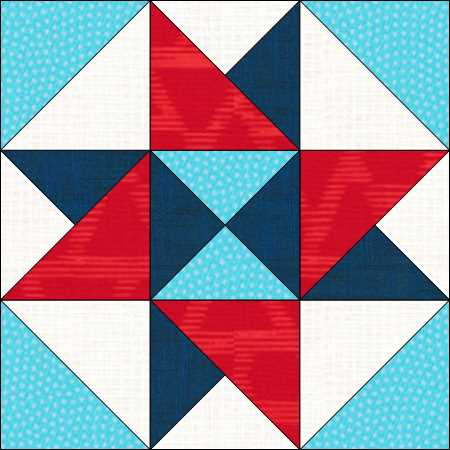
Card Trick and Crow’s Nest proved especially popular – particularly when it was realized that they are identical, it is only the colour placement that makes them look so different. You can find a tutorial on making these units and also instructions for making several different blocks here.
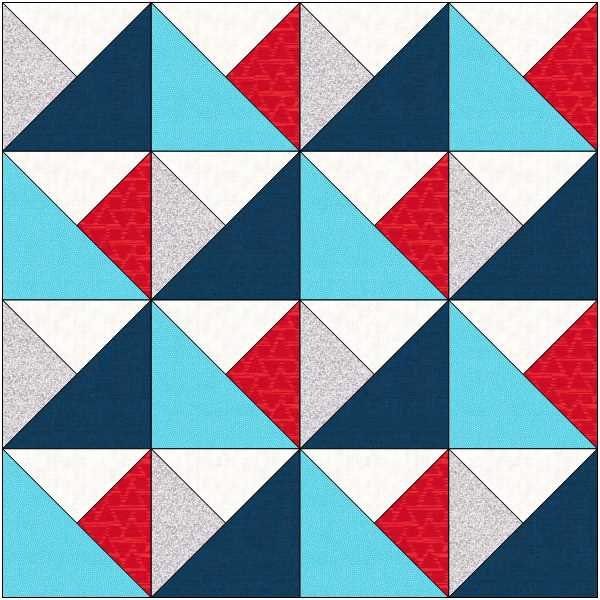
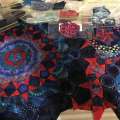
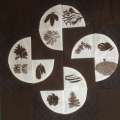
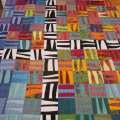
The units just on their own can make some quite interesting designs. Here’s just a few of 16 units set together and then various ones turned around.
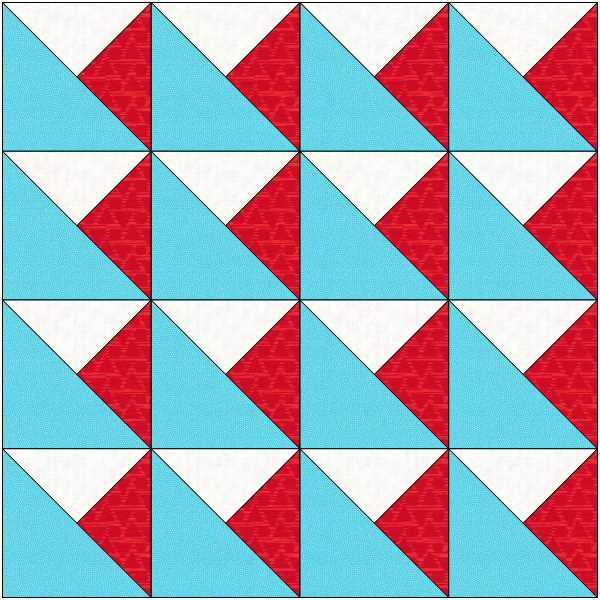
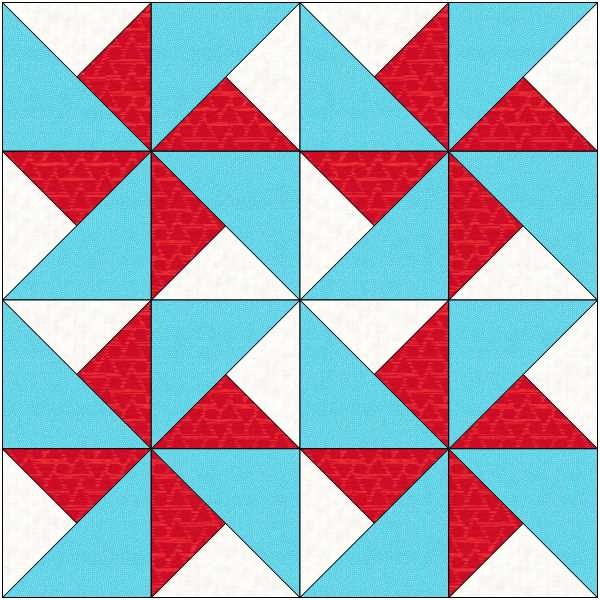
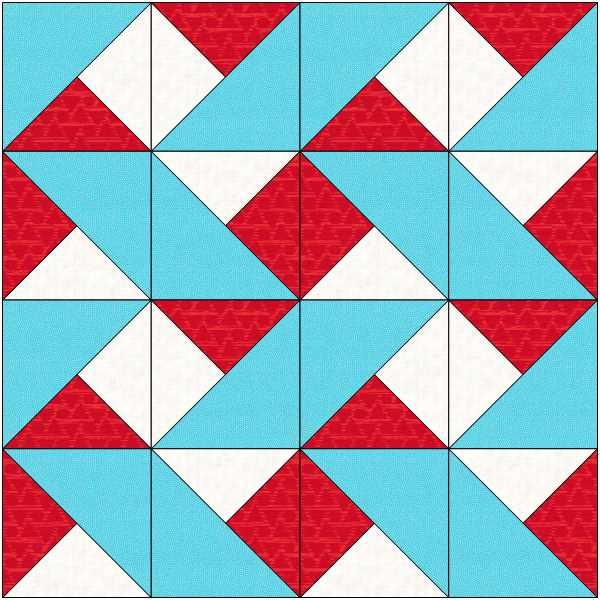
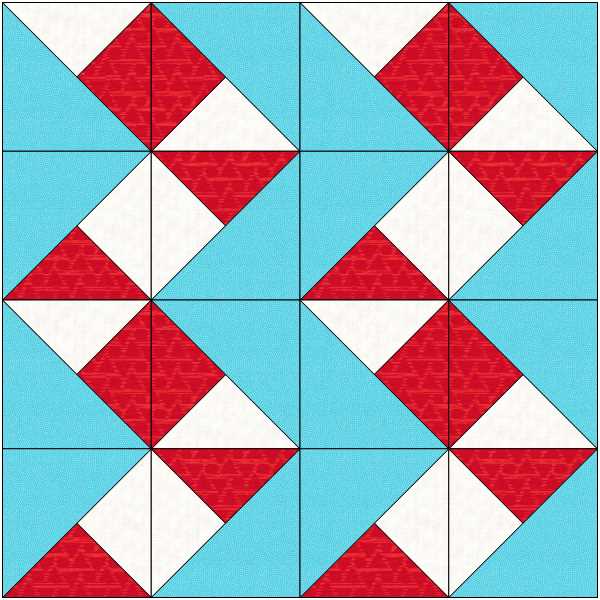
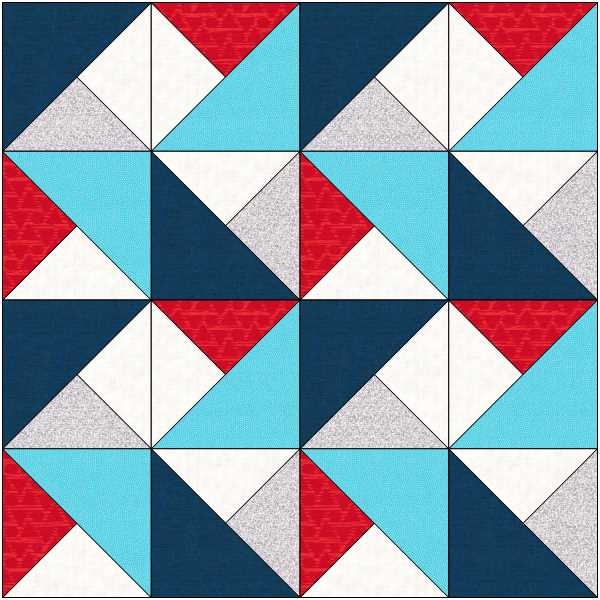
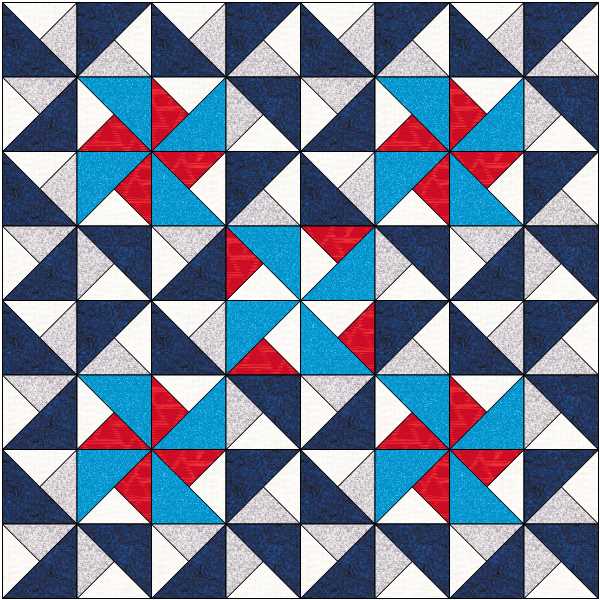
But if we make yet more units and some in alternate colours, and then some spinning the other way, we can make something quite different.

Lovely post – and great to see how versatile these units are.
Agree with Caroline..clear and precise.
Thank you, Lyn!
Fabulous post, Chris – always so interesting to see how many design variations are possible from just one unit.
Thanks, Abigail. I love playing around with shapes!
Thanks, Carolyn. Hours of endless entertainment shuffling these around and changing the colours.
So simple, and yet so enjoyable