

Having looked at designing our own blocks it is time to design our own quilts. Before you even start your design you need the answers to a few questions. Where is the quilt going? Who is the quilt for? Are there any time constraints? Do I enjoy making something intricate or do I get bored easily and want to move onto the next project quickly? Do I enjoy hand sewing or prefer machine sewing? Will I quilt it myself or get it long-armed?
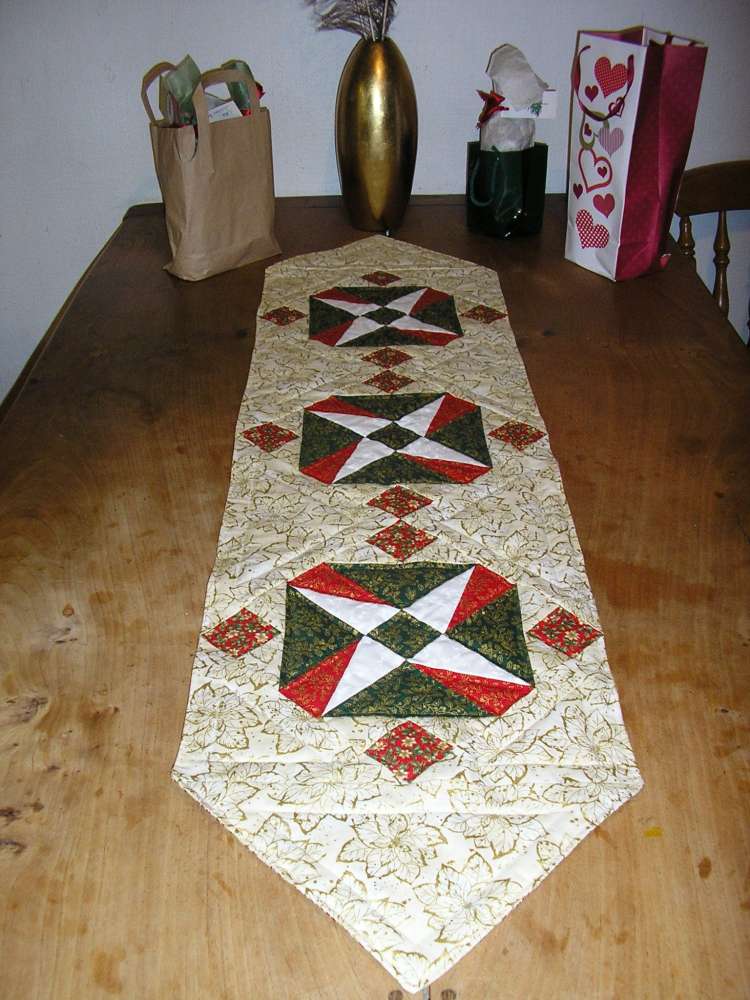
Firstly – where is the quilt going? Is it a bed quilt, a runner, a wall-hanging, a baby quilt? The answer to this determines the size of the quilt to a certain extent. A bed runner for example probably needs to be longer and wider than a table runner, depending on the size of the table; a single bed quilt will be much smaller than a king-size bed quilt and so on.
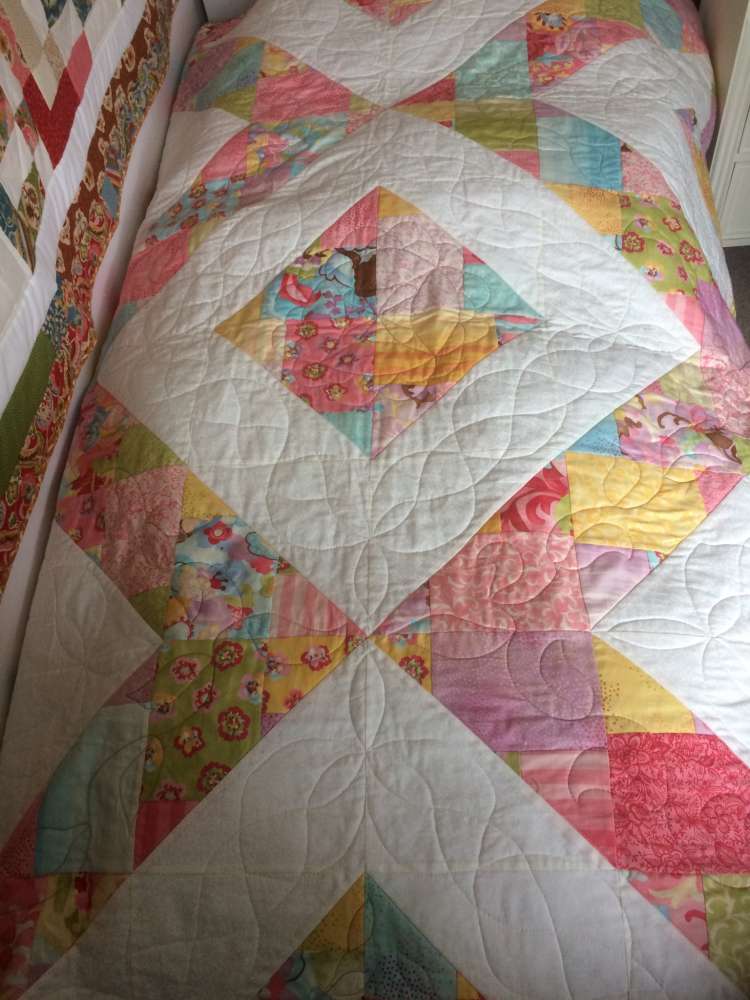
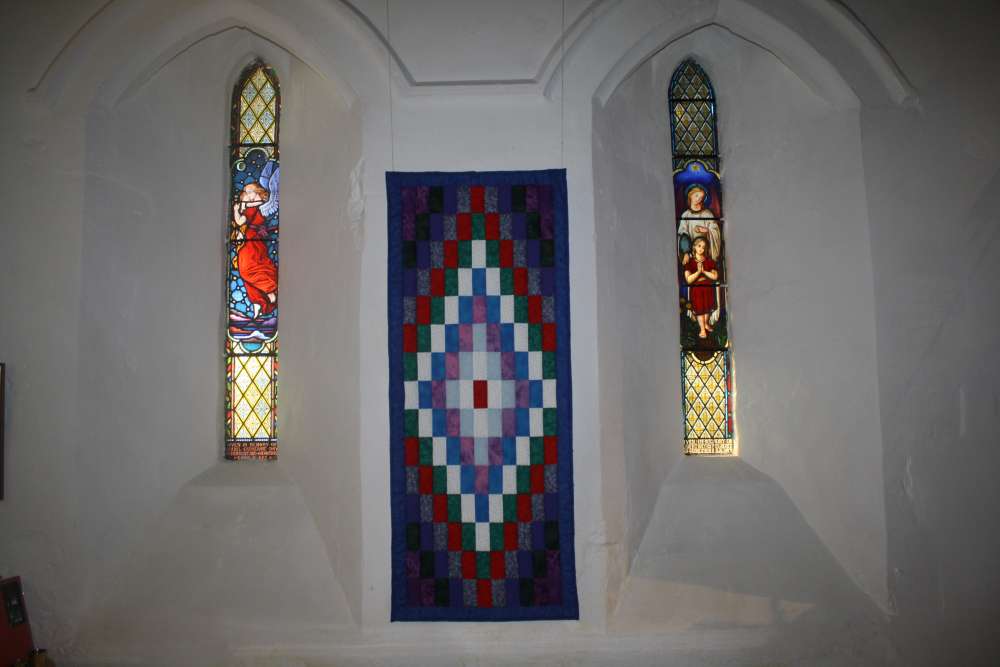
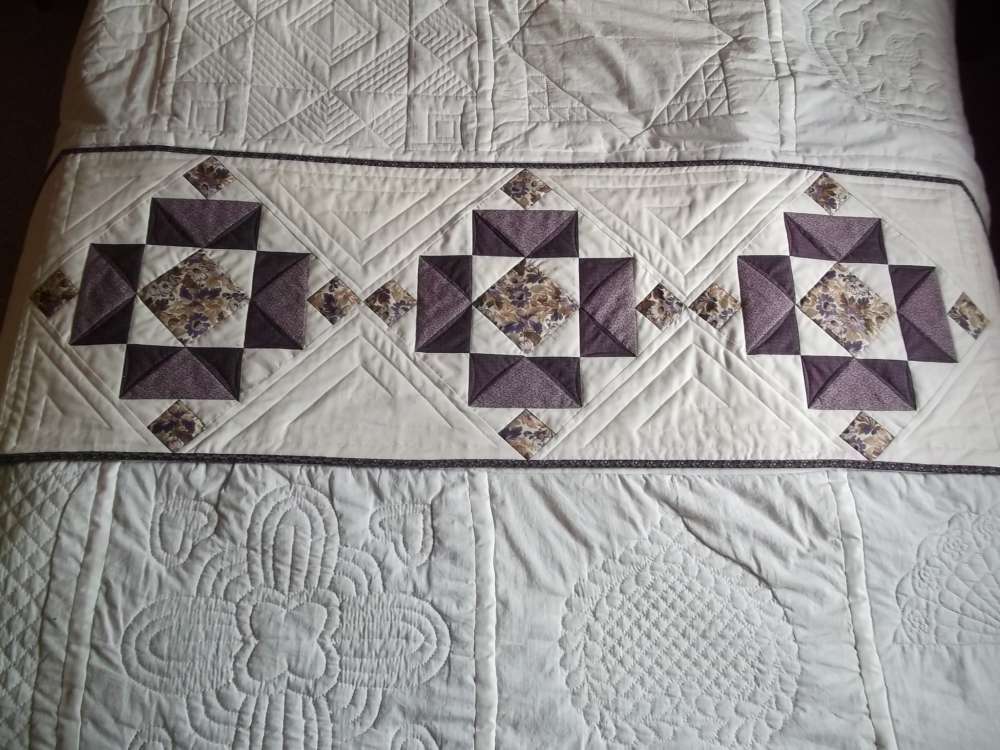
If you are making a bed quilt you may want to measure the bed to determine where the main design will sit. Do you want the quilt to hang over the sides of the bed? How far? Should it be just the borders that hang over the edge?
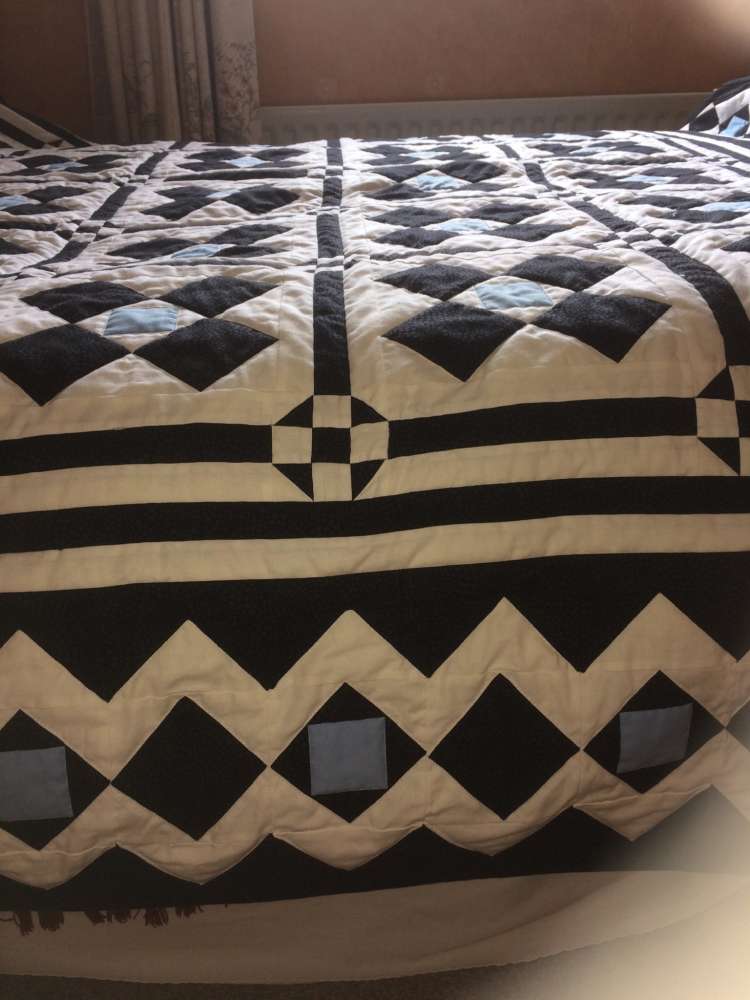
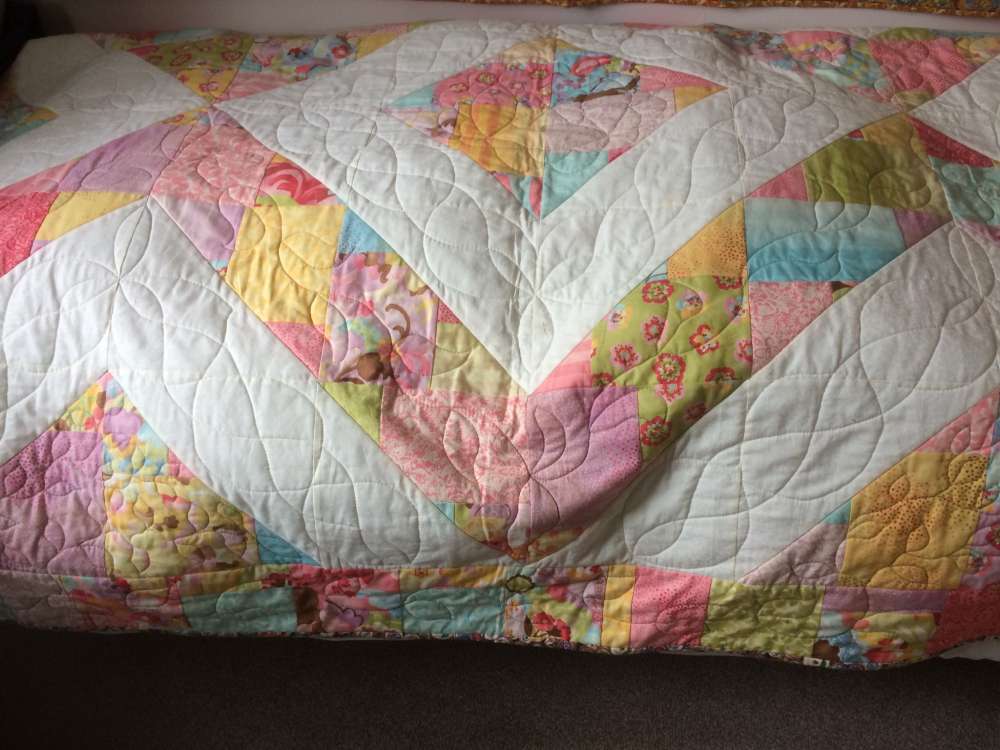
Is there a footboard – in which case the quilt will perhaps be shorter than one made for a bed without a footboard, and you may not want to put a full border on this end of the quilt. Do you want the quilt to go right up to the headboard or stop at the pillows? Will you make a separate pillow sham? Or is the quilt merely decorative and could therefore be smaller and sit diagonally on top of the bed – the bed equivalent of a table-topper.
Secondly, who is it for? Does it need to match the décor of the room? A baby quilt will require a different fabric choice from a table runner, a quilt for a boy’s single bed will not be the same as for an adult bed and so on.
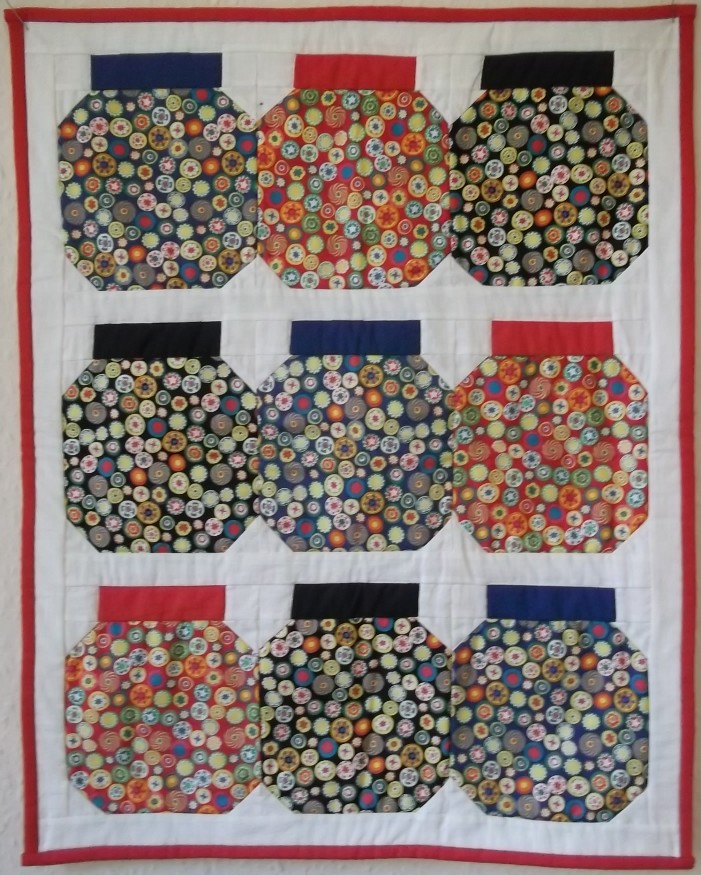
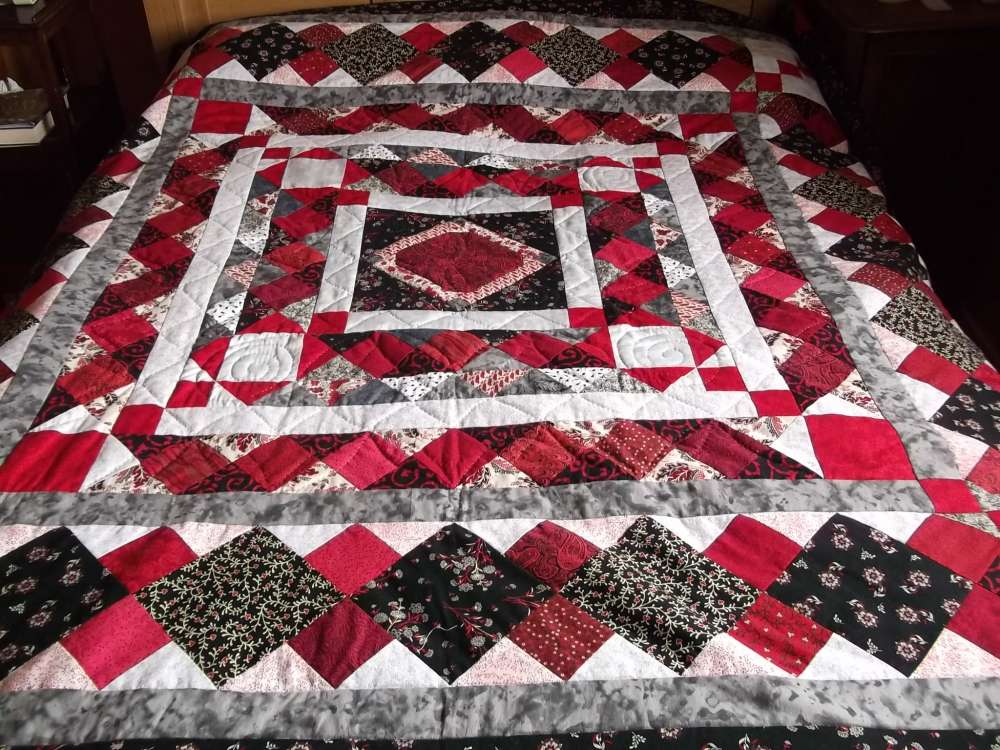
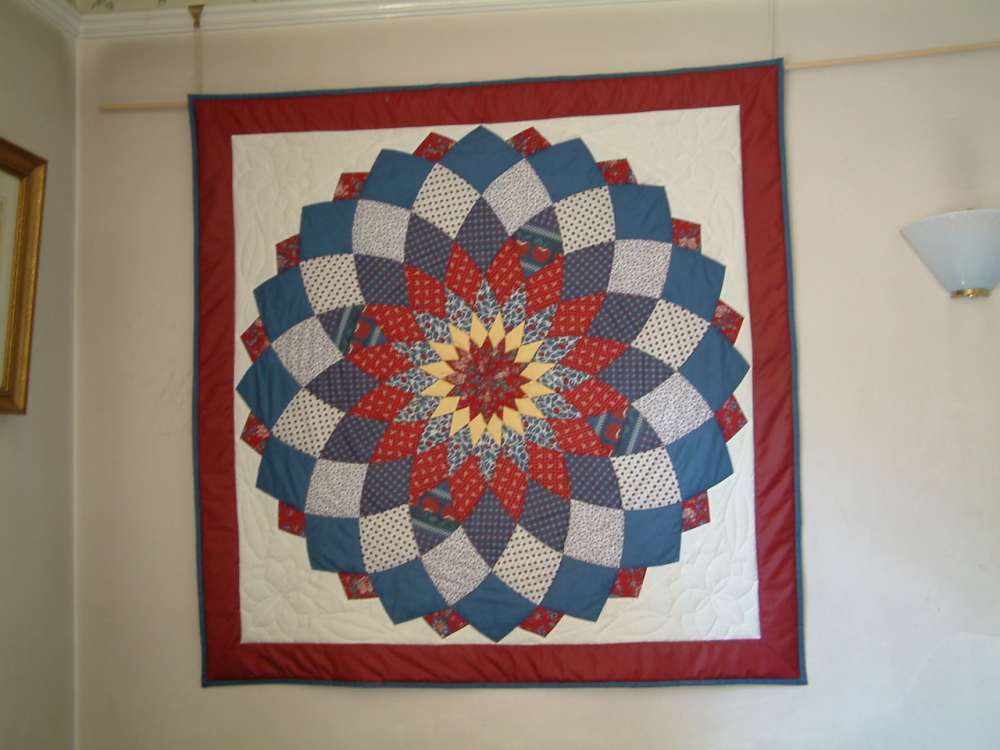
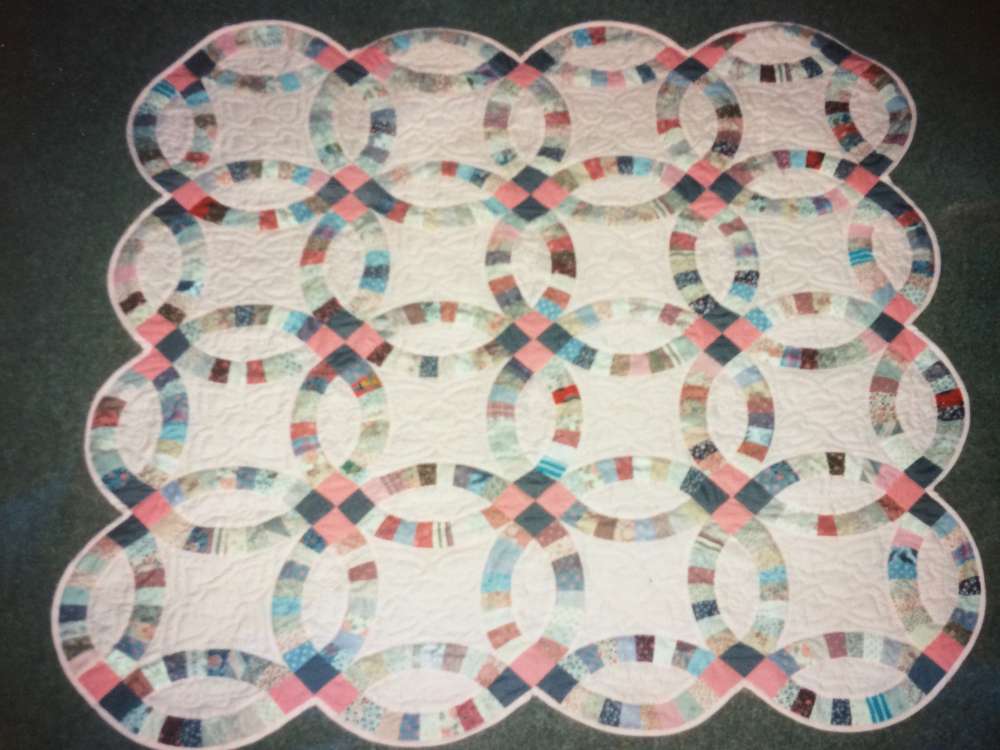
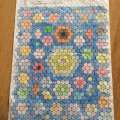
Then there’s how much time do I have to make this quilt? Is it a last-minute request for a baby quilt or a wedding present quilt (my sister asked me for a Double Wedding Ring quilt – made with offcuts from all her dresses our mother had made for her – only two weeks before the wedding) The time-scale may well determine the simplicity or otherwise of the design – my sister did not get a full-size Double Wedding Ring quilt, but she did get this small wall-hanging in time; and a full-size quilt later, much later.
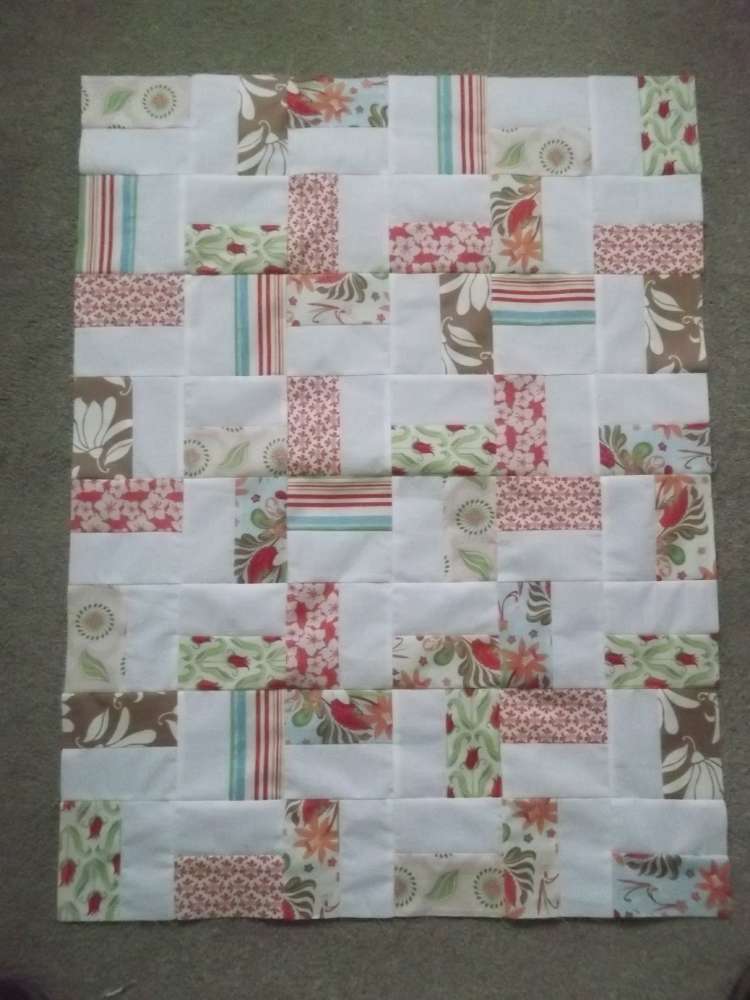
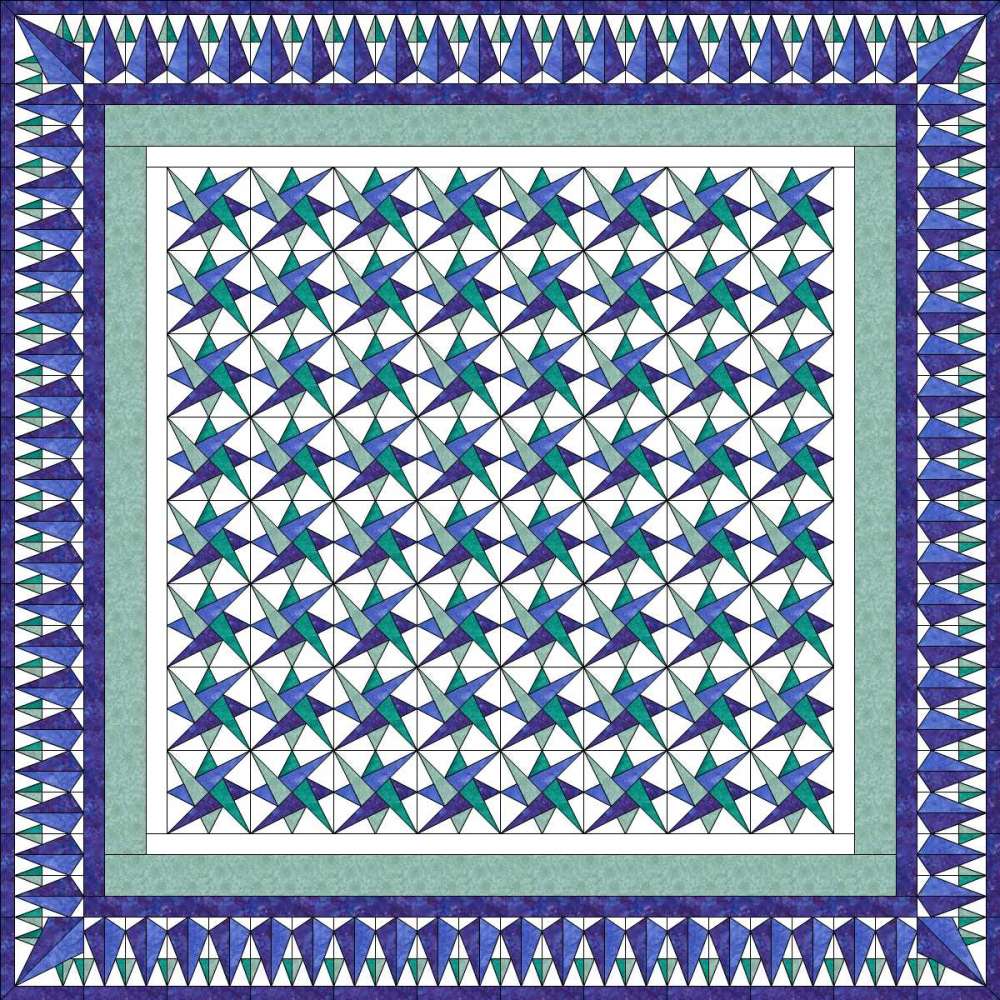
What size blocks should I use? You may be tempted to use giant blocks to quickly make a large quilt – this can be very effective. A baby quilt will probably look better with smaller blocks or just simple squares. Using small and intricate blocks in a very large quilt can feel overwhelming – you can quickly become bored with making the same thing over and over again, let alone the wrist-ache from all the cutting involved – but equally, once finished, it can look stunning. Only you know which will suit you best.
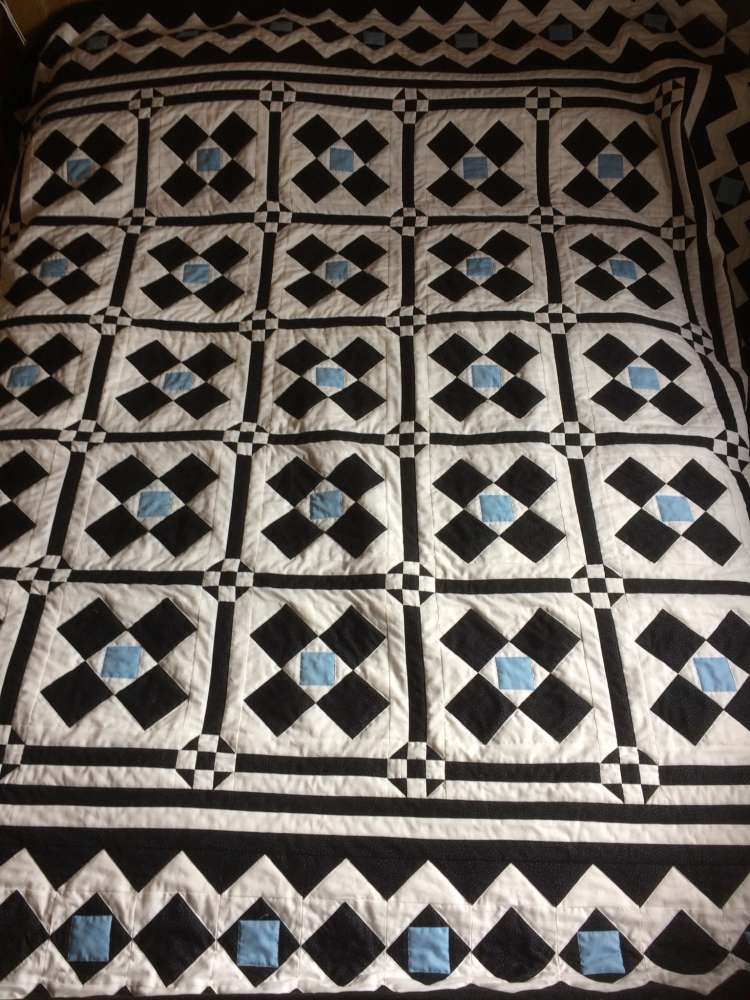
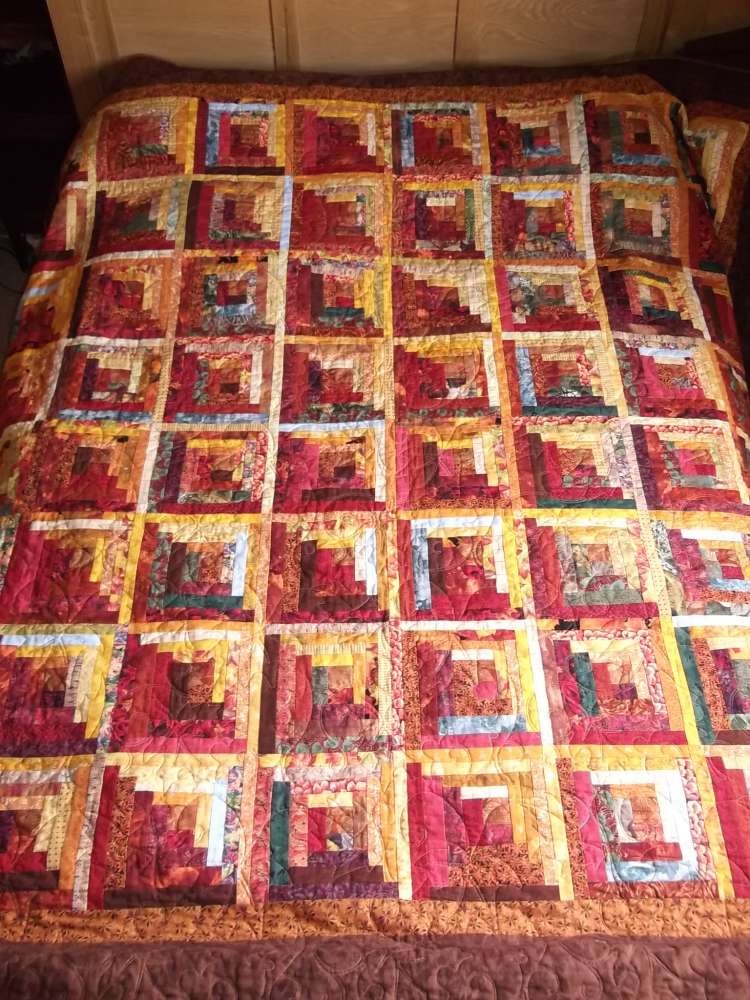
If you enjoy hand-sewing then you can stitch any design you feel like. Machine stitchers may prefer to steer clear of Y-seams in designs such as hexagons and diamonds (although there are ways and means of getting around these). If you are taking the quilt to be long-armed you may need to consider the number of seams and how ‘lumpy’ they may turn out to be. Likewise any intricate folding looks wonderful but is a nightmare for a long-arm quilter. A computer-driven pantograph allover design can look great on some quilts, but on others can overwhelm the patchwork – which do you prefer? Pantographs are cheaper than hand-guided custom quilting, so this is something else to bear in mind.
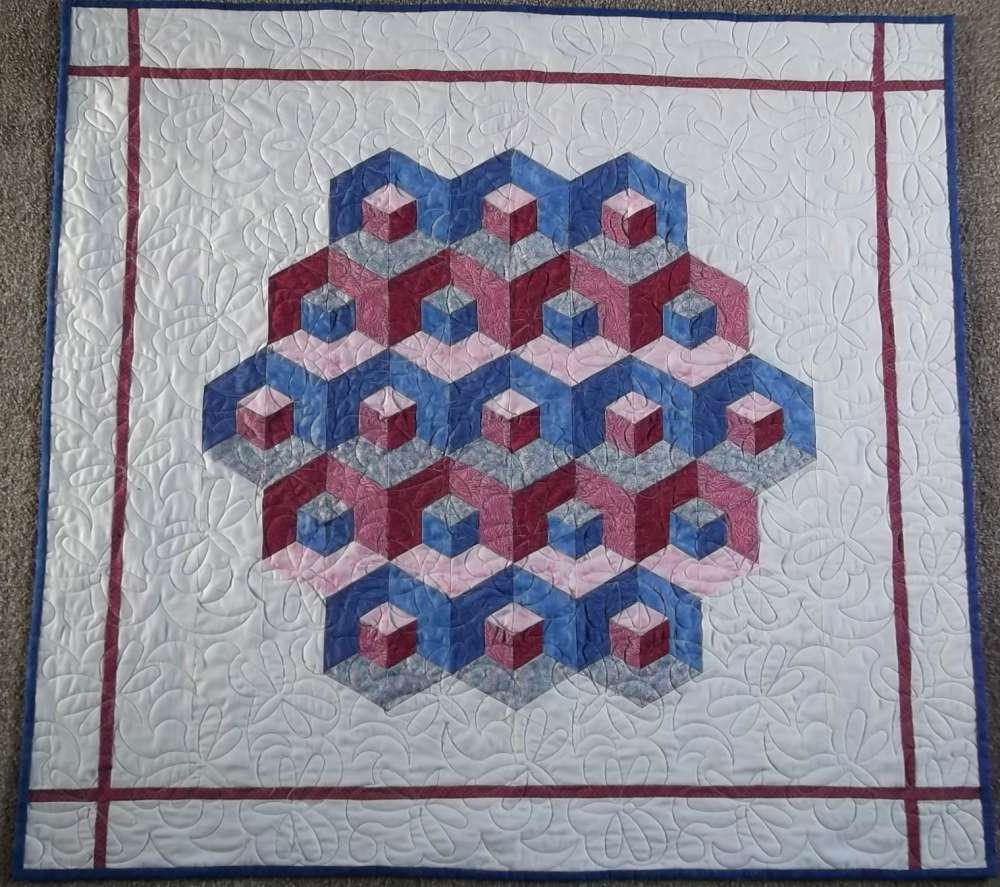
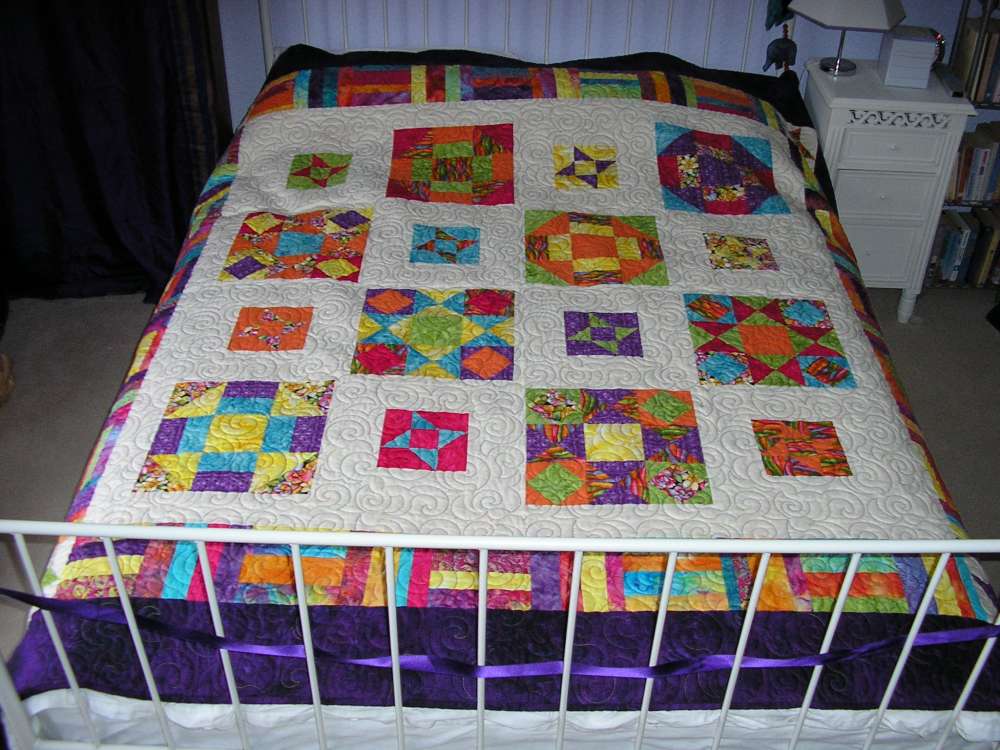
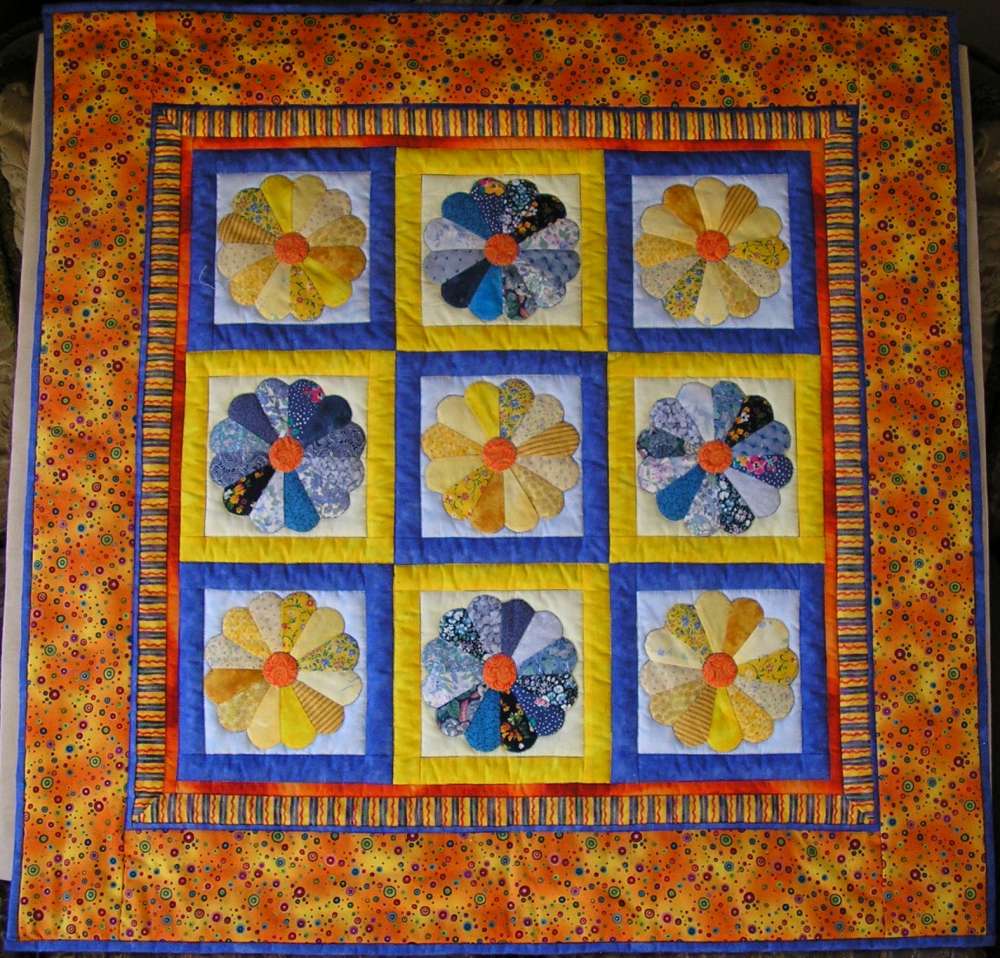
If you enjoy quilting then you may want to leave yourself plenty of ‘white space’ to quilt, otherwise a busy design or busy printed fabric can hide a multitude of sins and in-the-ditch (ish) quilting will probably be sufficient.
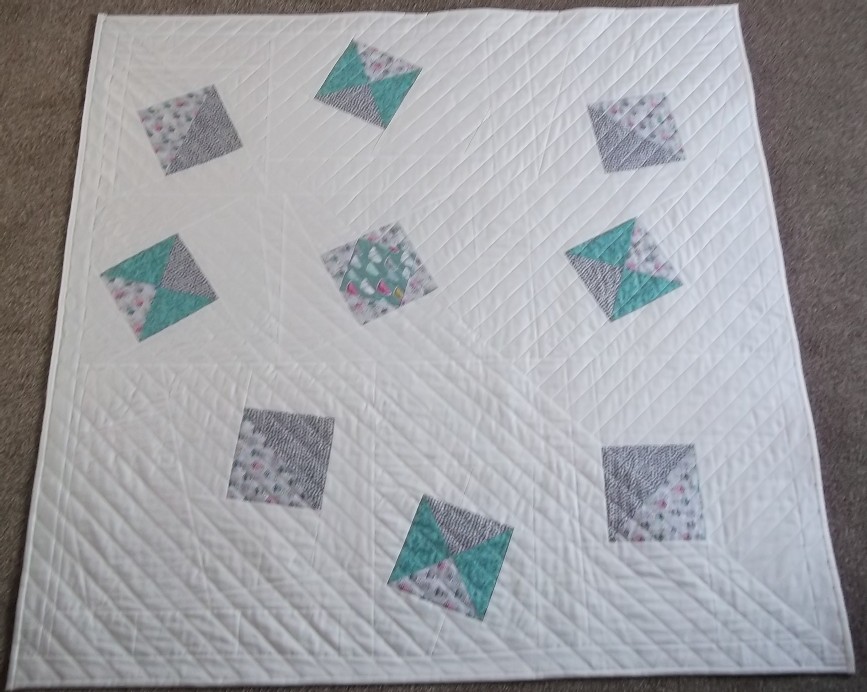
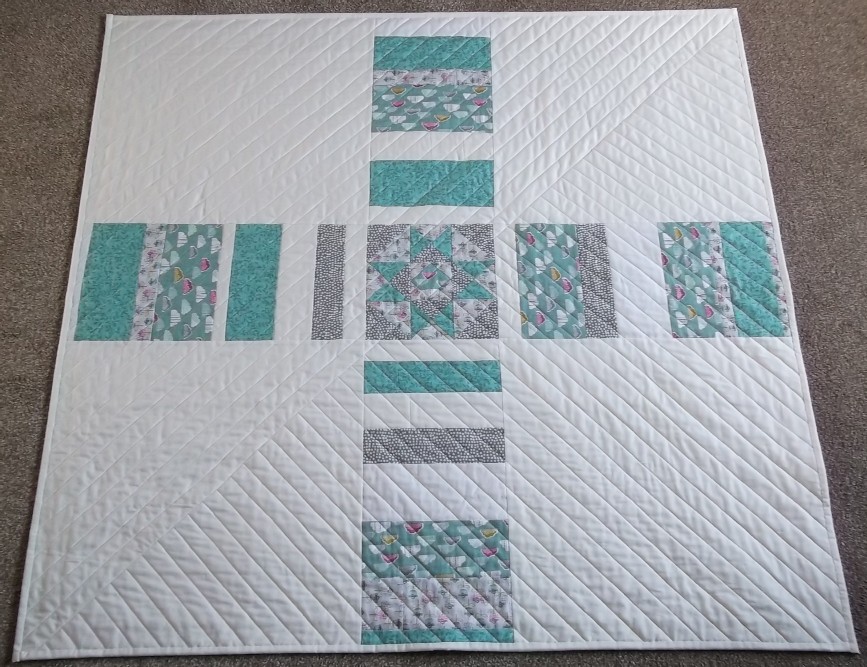
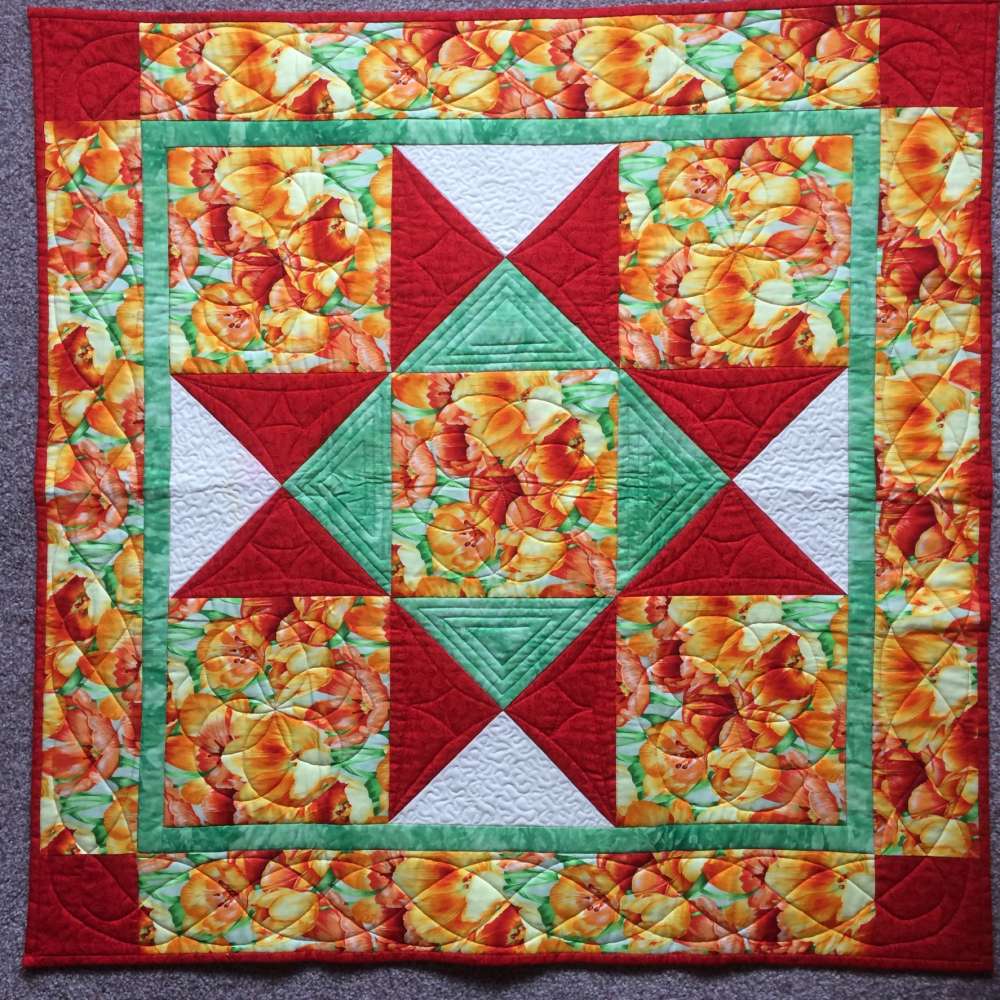
Having read through all that and decided to give up now you can of course do what I do and not what I say – just make some blocks, put them together and see what happens! If you like the blocks and colours you may well go on to make a bed sized quilt. If you don’t enjoy the blocks, colours or process then stop – you can always donate the little quilt or the orphan blocks to the Linus project or a similar charity.



Responses