Author: Chris Franses

Loading...

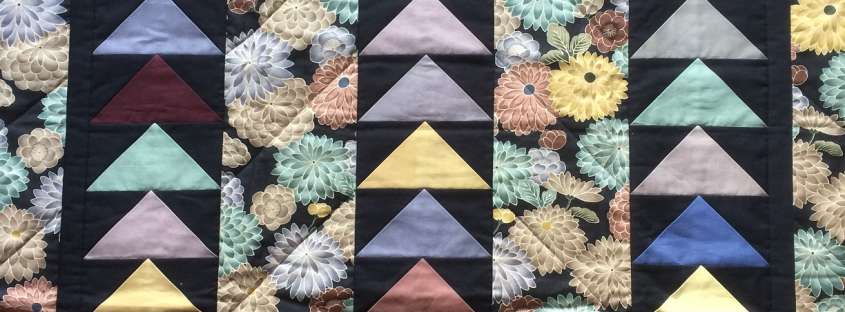
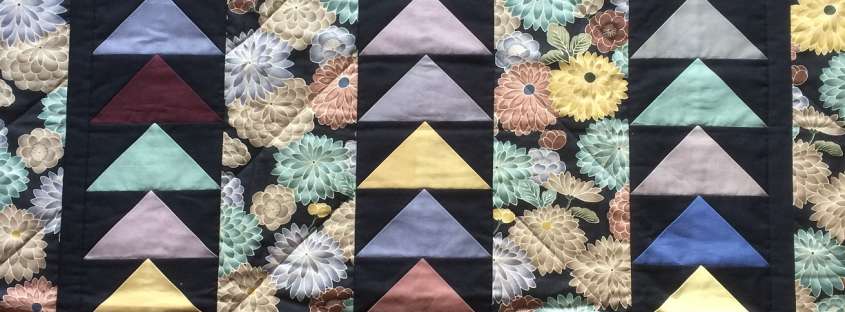
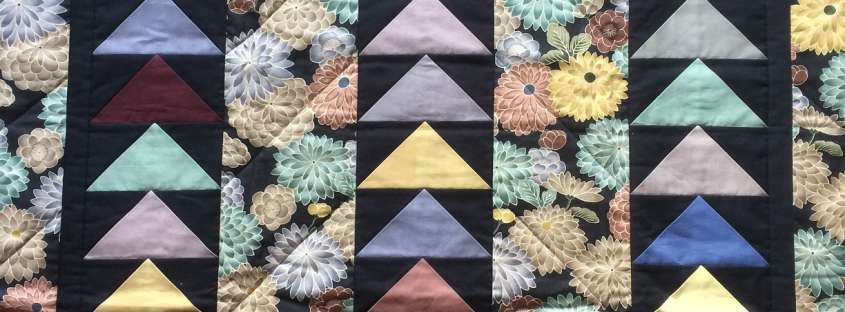
Our Technique of the Month students have been making Flying Geese this month. We looked at three different methods for making them and some of the blocks we could make – there are just so many to choose from, many based on the Sawtooth Star, but this year we made Dutchman’s Puzzle and Rambler. Each…

Loading...
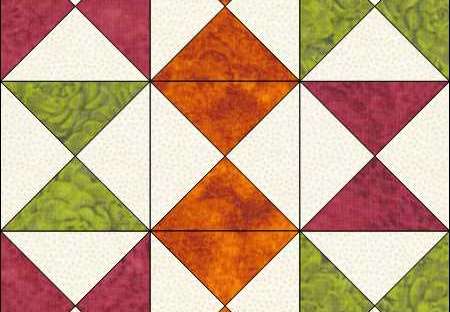
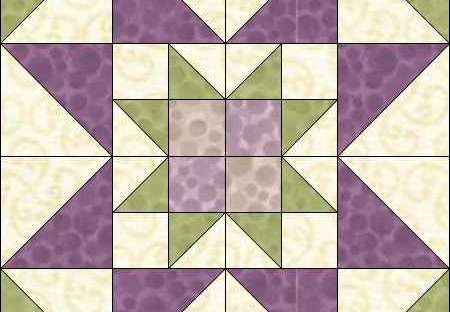
Back in March the sampler quilt / technique of the month students looked at Quarter-square triangles (or QST for short). We explored the different ways of making them and some of the blocks they are used in. You can find a free downloadable tutorial to make these units here. Have a look at You Tube…

Loading...

There is a ‘formula’ for virtually every shape we need to cut for patchwork. Hopefully the following will help you to work out how to rotary cut Flying Geese. Finished size – this is the size of the unit/piece once it is stitched into the block/quilt. Rounding up to the nearest ⅛ inch. If you…

Loading...

Most quilts are ‘straight set’ – that is the blocks are set square to the edges of the quilt; sometimes there are sashing strips between the blocks, sometimes not. Sashing strips can make a quilt larger and they can also act as coping strips when pieced individually around each block as they enable you to…

Loading...

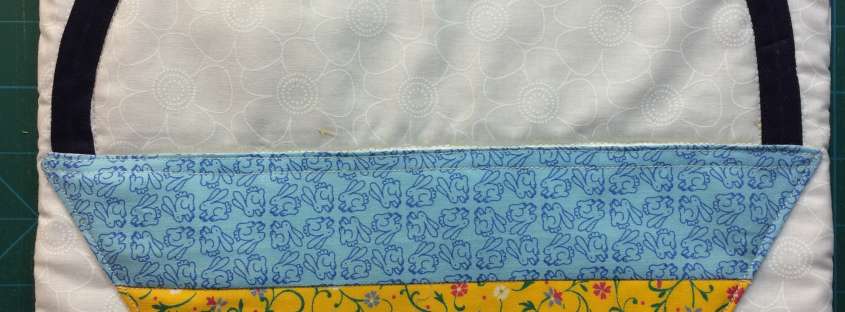
About twenty years ago I was actively involved with the Quilters’ Guild Young Quilters group. Tidying up recently I came across a couple of (handwritten) projects we did with our local Young Quilters during the Easter holidays some time in the 1990s. One year we made Easter Bunnies – we had two patterns, one from…

Loading...

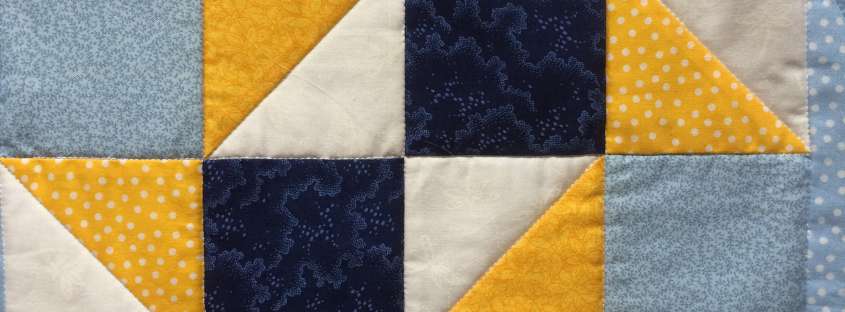
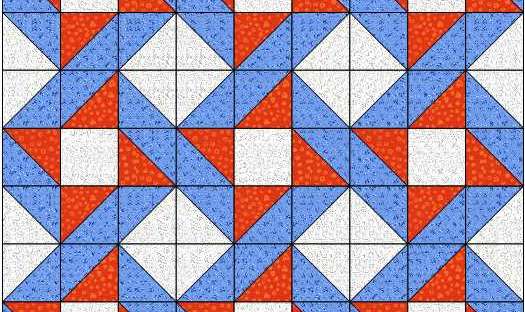
I know I wrote a bit about these units last time but I thought I’d revisit them as they are so versatile – and we’ve been doing them in our classes this month!  We moved on from strips and squares to learn about half-square triangles (or HST units) – how to cut them, what measurements…

Loading...

You’ve seen a lovely quilt you would like to make; you have managed to break the design down and seen it is made from a number of Flying Geese units. But what size? Flying Geese units are traditionally made one at a time by stitching two small half-square triangles to the shorter sides of one…

Loading...

Having previously looked at sizes for squares and rectangles it is now the turn of triangles, in particular the Half-Square and Quarter-Square triangle units. There is a ‘formula’ for virtually every shape we need to cut for patchwork. Hopefully the following will help you to work out how to rotary cut your triangles. Finished size…

Loading...
Suppose you have seen a picture of a quilt – you’ve fallen in love with it, you want to make it, but there isn’t a pattern. Don’t despair – you can work it out yourself. It may not be the same size as the original but that doesn’t matter because it will be the size…
Loading...

I was going to write about making Half-Square Triangles and the blocks using them that we have been making in our classes this month, but I got side-tracked by some of my students and a few beginners in the Facebook Groups asking about cutting and how to work out what to cut and how big…