


-
Devi Chapman posted a new activity comment 7 years, 10 months ago
The technique can be used for any size quilt. I’ve used this method on several pieces now. The largest I’ve done so far measures 64″ x 76″.
-
Devi Chapman posted a new activity comment 8 years ago
I hope it’s a technique that you enjoy doing.
-
Devi Chapman posted a new activity comment 8 years ago
Thank you Alison.
-
Devi Chapman posted a new activity comment 8 years ago
It always happens to me!
-
Devi Chapman posted a new activity comment 8 years ago
That is a very good point. Having said that one can always simply replace the binding. Scraps or mismatching binding can be used as it won’t be seen on the front and shouldn’t affect the overall appearance of the front of the quilt. I tend to use the technique for wall hangings where wear and tear are less of an issue but the potential for wear…[Read more]
-
Devi Chapman posted a new activity comment 8 years ago
Thanks Corinne. I have used the technique many times now, even though I don’t mind adding binding in the traditional way.
-
Devi Chapman posted a new activity comment 8 years ago
Thank you. It’s far harder to explain than to do!
-
Devi Chapman posted a new activity comment 8 years ago
It really is.
-
Devi Chapman posted a new activity comment 8 years ago
The technique certainly wouln’t suit all quilts but it really makes a difference on modern quilts and wall hangings in particular. The beauty of it is its simplicity.
-
Devi Chapman posted a new activity comment 8 years ago
Thanks so much Lyn
-
Devi Chapman wrote a new post, How To Add a 'Magic' Binding 8 years ago
Hi, I’m Devi and have been invited to contribute a blog or tutorial.
This blog/tutorial first appeared on my website at the end of last year and may have been seen by a few of you already. Since writing it pe…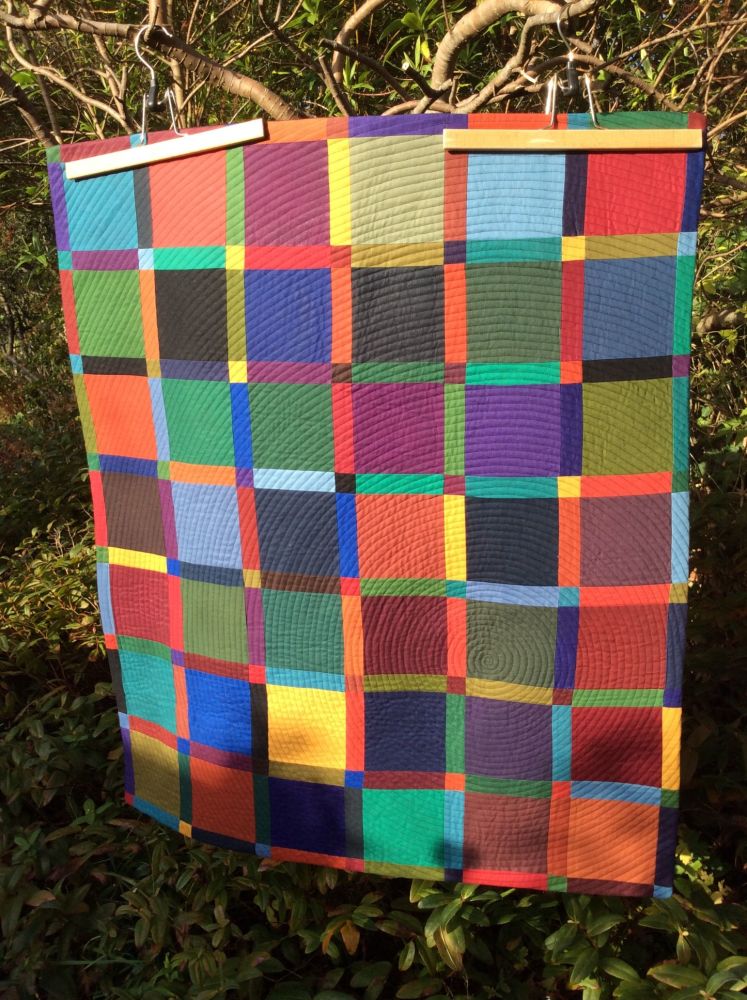
-
Devi Chapman became a registered member 8 years, 6 months ago
UK Quilters


8 years ago
Great first blog Devi
8 years ago
Thanks so much Lyn
8 years ago
Not heard of this before, not sure when I would use it. Will keep it in mind though – perhaps for place mats … Your instructions are well written and pictures are clear. Thank you
8 years ago
The technique certainly wouln’t suit all quilts but it really makes a difference on modern quilts and wall hangings in particular. The beauty of it is its simplicity.
8 years ago
Thank you this looks like fun.
8 years ago
It really is.
8 years ago
nice and clear!
8 years ago
Thank you. It’s far harder to explain than to do!
8 years ago
Thanks for sharing this technique. I look forward to trying it.
8 years ago
Thanks Corinne. I have used the technique many times now, even though I don’t mind adding binding in the traditional way.
8 years ago
A nice idea for quilts which need no retraction from the front. I wonder how the seam on the edge will stand up to hard use, though? I remember a QG lady talking about stitched edges traditionally needing several rows of stitching because if this.
8 years ago
That is a very good point. Having said that one can always simply replace the binding. Scraps or mismatching binding can be used as it won’t be seen on the front and shouldn’t affect the overall appearance of the front of the quilt. I tend to use the technique for wall hangings where wear and tear are less of an issue but the potential for wear and tear on a quilt that is used is certainly a possibility.
8 years ago
Sorry. I wrote detraction. But it was corrected by my infernal machine.
8 years ago
It always happens to me!
8 years ago
I love it 🙂
8 years ago
Thank you Alison.
8 years ago
I am so going to try this on my next make!
8 years ago
I hope it’s a technique that you enjoy doing.
7 years, 10 months ago
I cankt imagine that this is easy on a full size quilt?
7 years, 10 months ago
The technique can be used for any size quilt. I’ve used this method on several pieces now. The largest I’ve done so far measures 64″ x 76″.