

This three-triangle unit was, I think, given its name by Doreen Speckmann because the centre triangle resembles a mountain peak and the two side triangles are the spikes anchoring it to the ground.
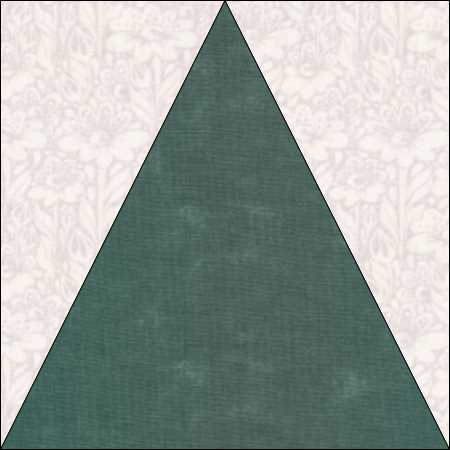
It is not the easiest of units to cut or piece and the most precise way to get those points really sharp is to use foundation piecing.
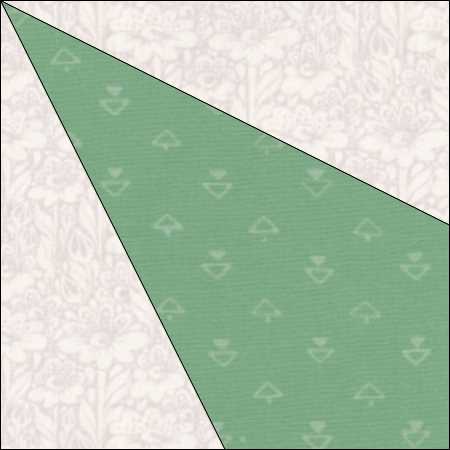
Once you have mastered it though you can have a great deal of fun with the unit on its own or paired other units including a related unit that Doreen called Ice Cream Cone – which is certainly easier to foundation piece than to cut out with a rotary cutter.
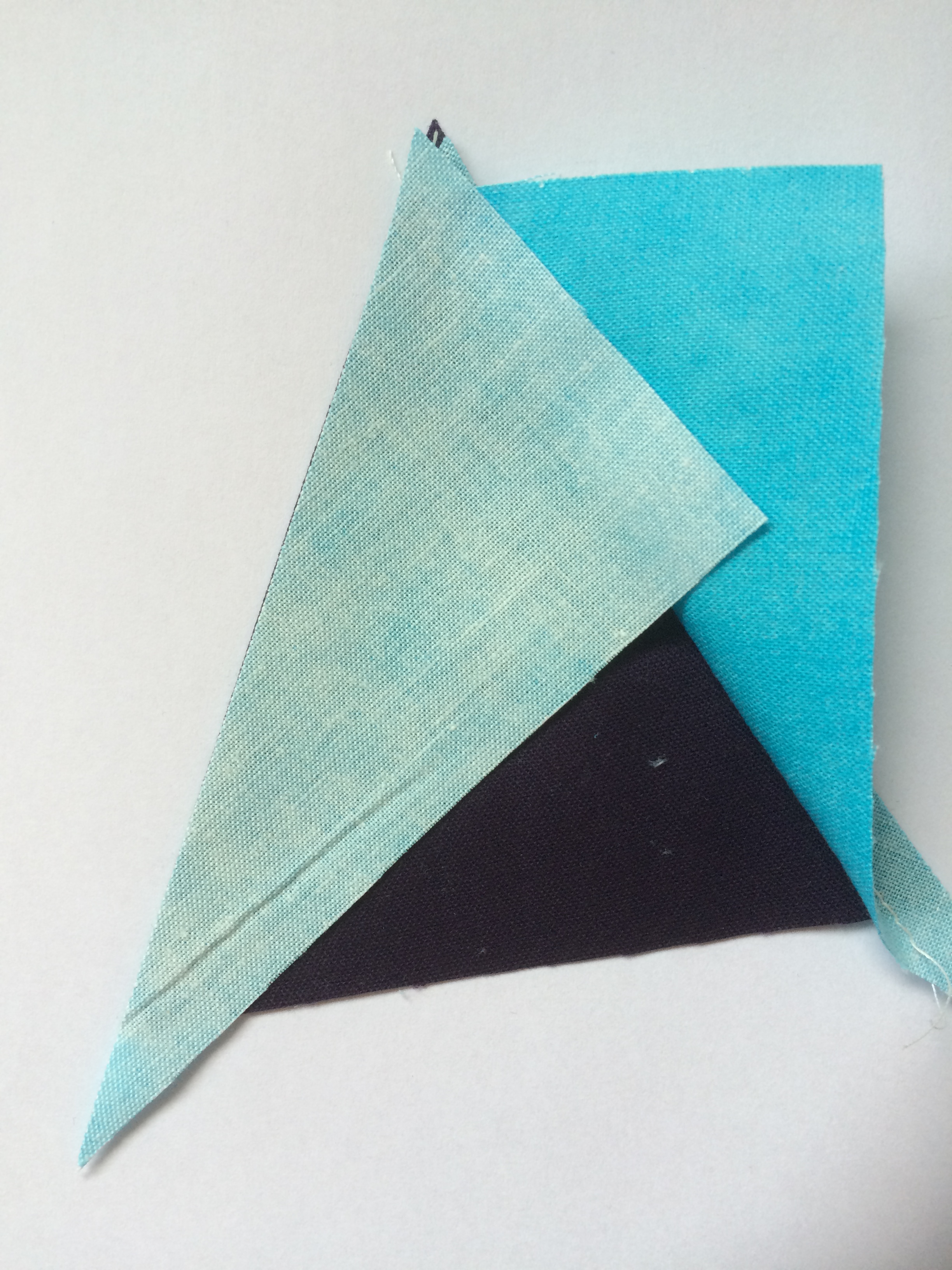
Cutting the units out using templates is also an option, but just look at the pictures – the corners do not match or meet at all, they are offset slightly.
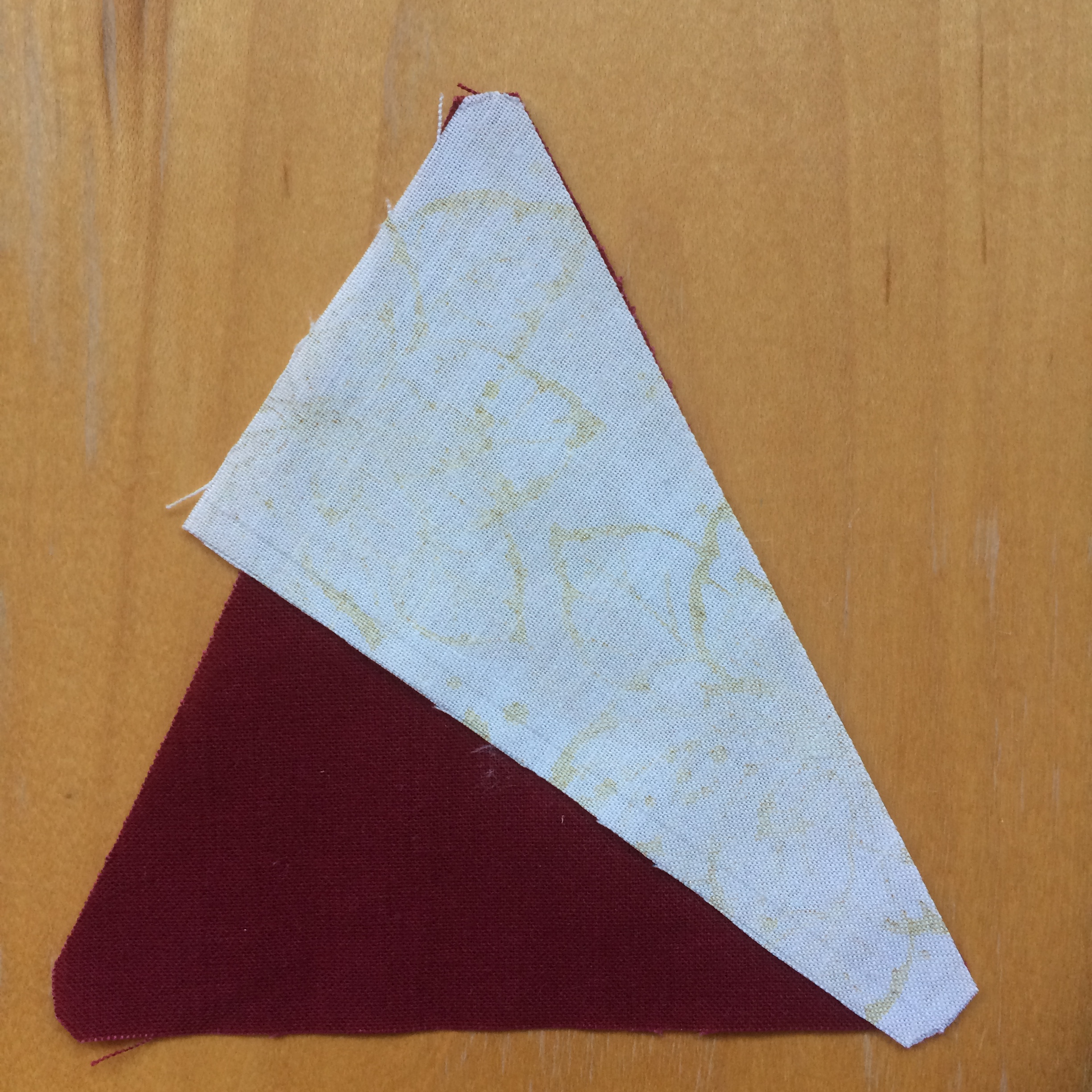
. You can help yourself here by ‘nubbing’ the corners of your templates – that is taking the sharp points off so that you are left with that all important ¼ inch seam.
You can also add a line or two to both these units to make new ones and to give yourself even more design and colour opportunities. And, of course, you can combine the two units to make new blocks as well.
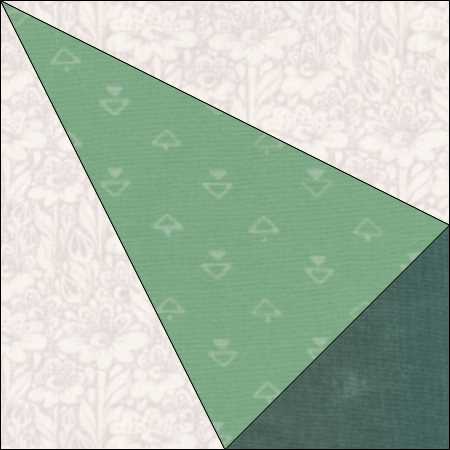
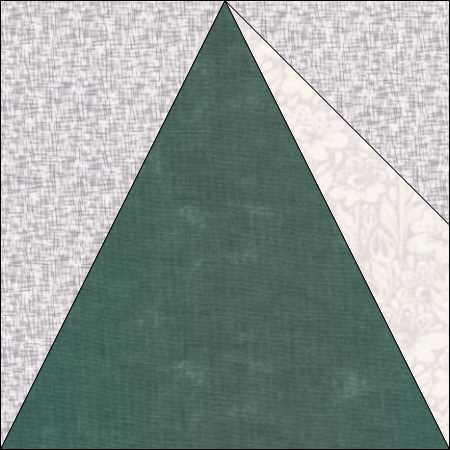
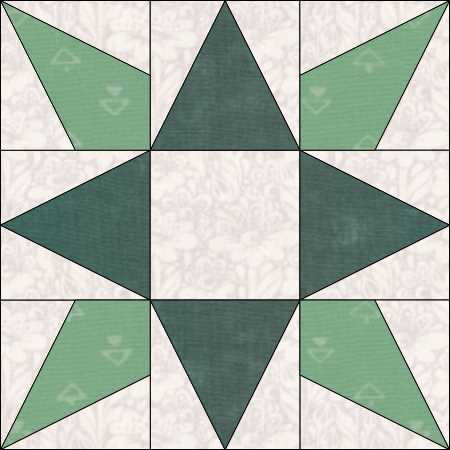
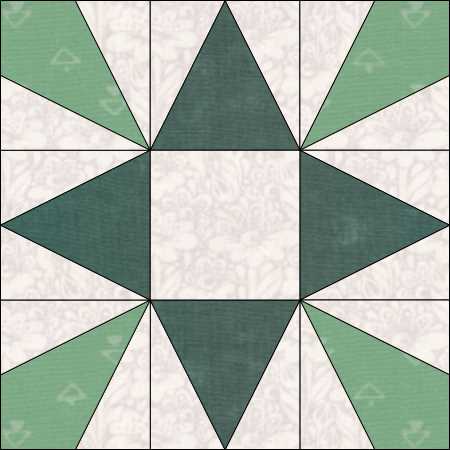
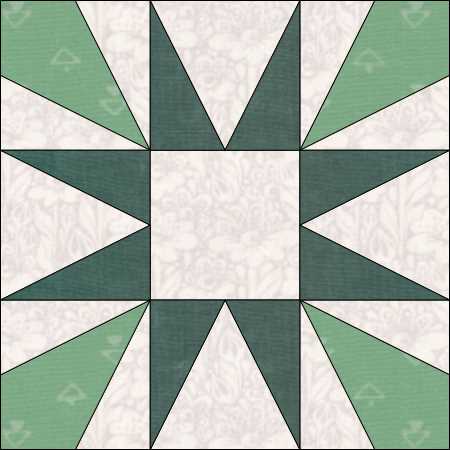
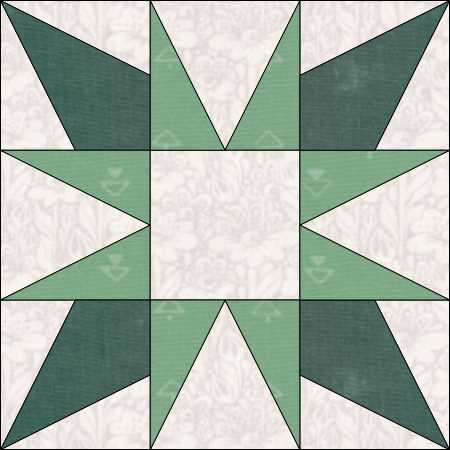
The Peaky and Spike unit occurs in a number of blocks, mostly related to Arkansas Snowflake or to the 9-patch Eight-Pointed Star.
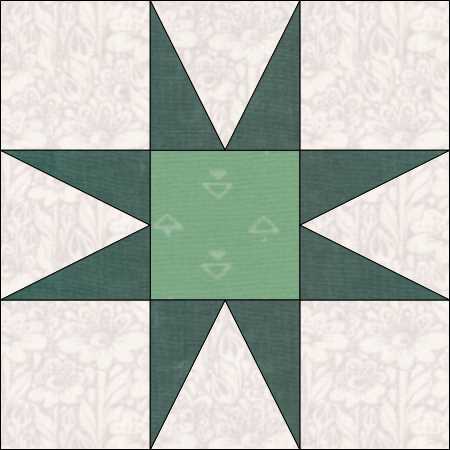
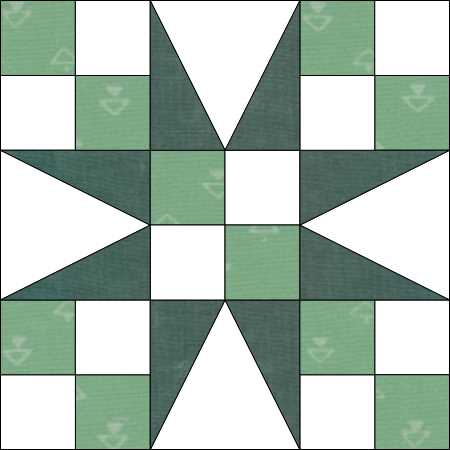
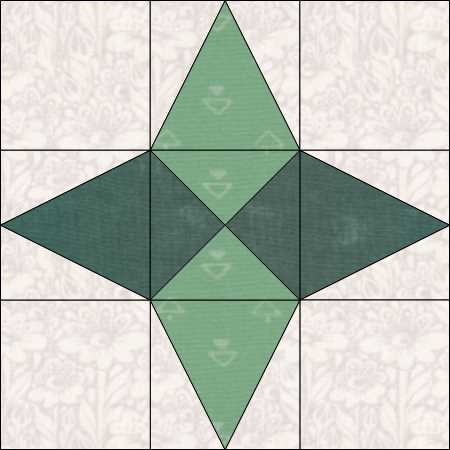
When paired with blocks with Half-Square Triangles in the corners the different angles of the triangles can create the illusion of curves. This quilt combines the nine-patch 8-Pointed Star with the block called 54-40 or Fight.

I have done a rotary cutting table for the Peaky and Spike unit which you can download here and there is a step-by-step photo tutorial on my blog to explain how to rotary cut the units as well as one showing how to piece the units. I have also done sheets of Foundations for both Peaky and Spike and the Ice Cream unit – there are four 3 inch units of each on the pages which you can download here, along with the templates for 4 inch units. They are all free.
So, enthused by all this, what do the units themselves look like when made into a quilt? Here’s a few examples –
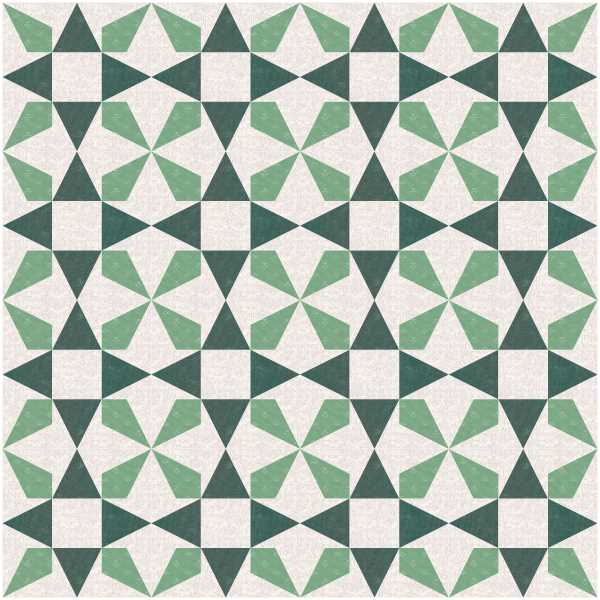
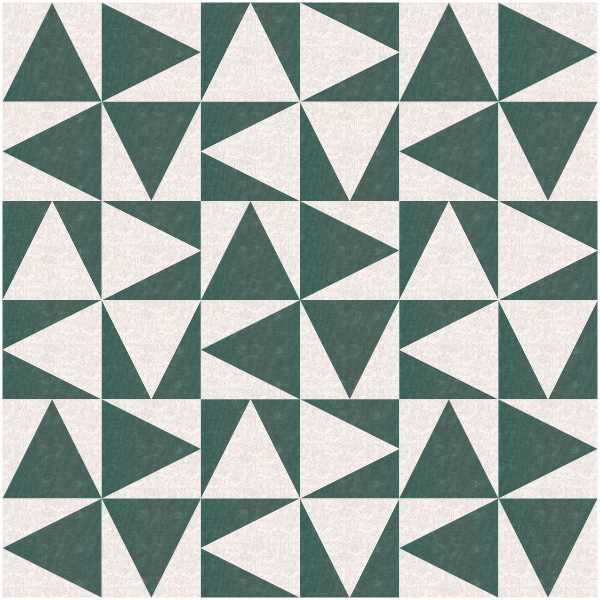
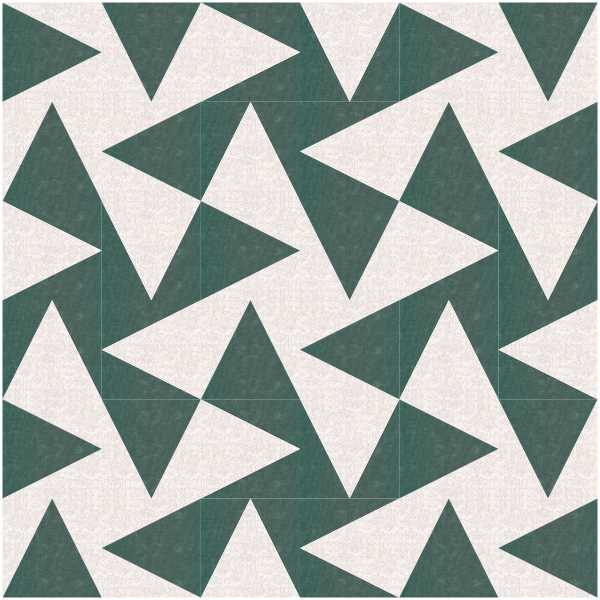
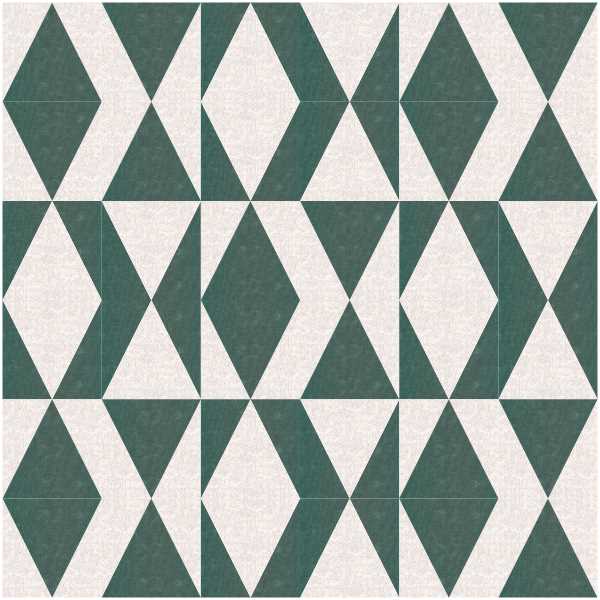
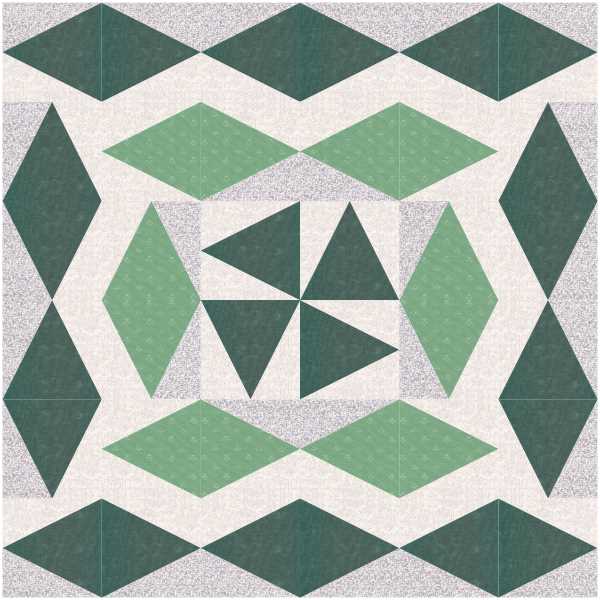
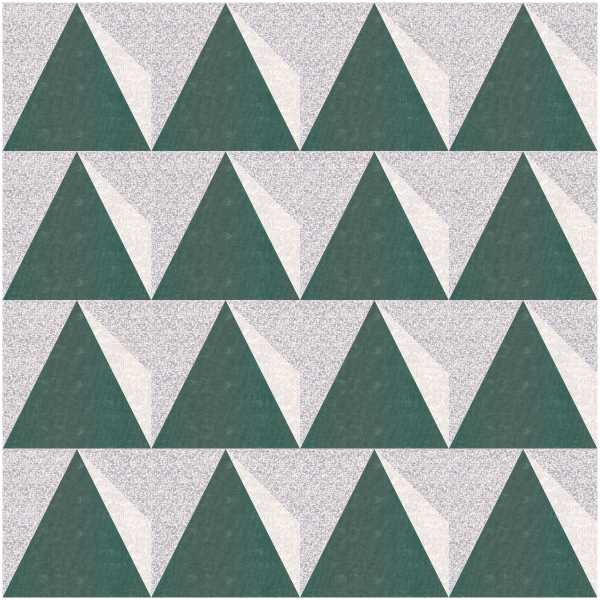
I had a lot of fun playing with these virtual units, so much easier than the real thing as my points are actually pointy! Grab some graph paper and colouring pencils and have a go at designing your own quilt (hint – you don’t actually have to make it).
PS I’ve just found Doreen Speckmann’s book Pattern Play on my shelf and refreshed my memory only to find that all these years I have it wrong and she calls the middle triangle Spike and the corners Peaky. Oh well.

Responses