

Many people use prepared templates for EPP, but if you want to break out and do your own thing, my preferred method is to print from the computer and glue the printout onto freezer paper with a glue stick. Once ironed, I have a nice weight template that irons on to fabric.
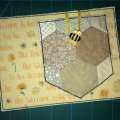
Here is the template I prepared from the King George quilt in the V&A (details in my last blog).

Once I have cut my template pieces out, I iron them onto fabric. Then there are three methods I use to fold the seam allowances in: glue, starch and baste.
Basting is the traditional method. It is quick, easy to remove and the templates can be used multiple times. Best tip: leave the knot in your thread on the right side of the template for easy removal.
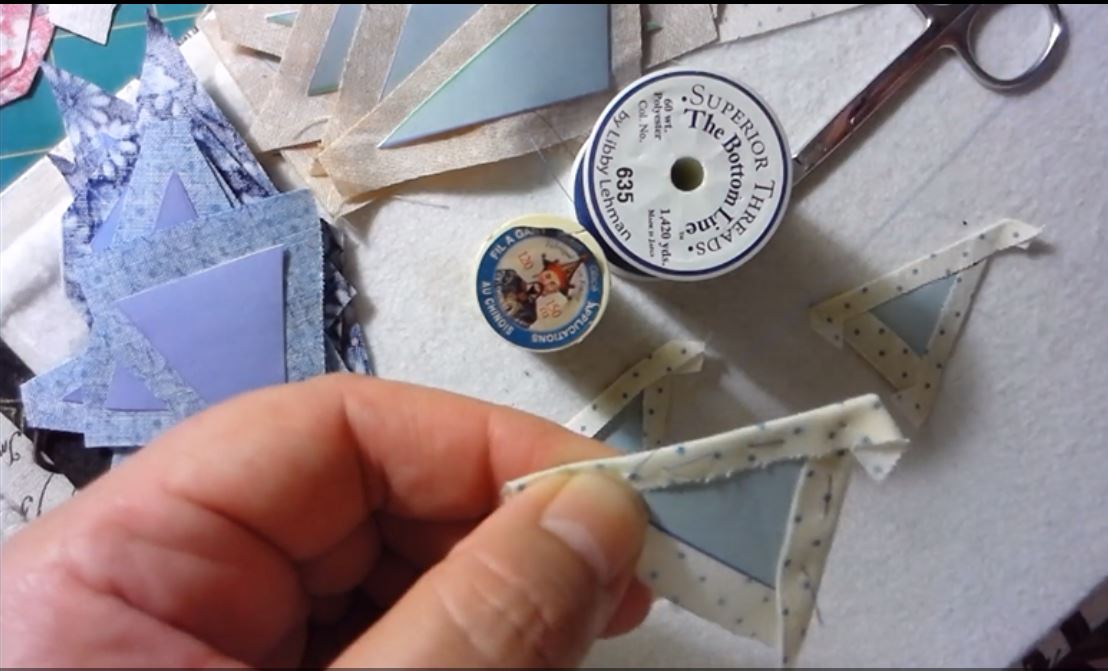
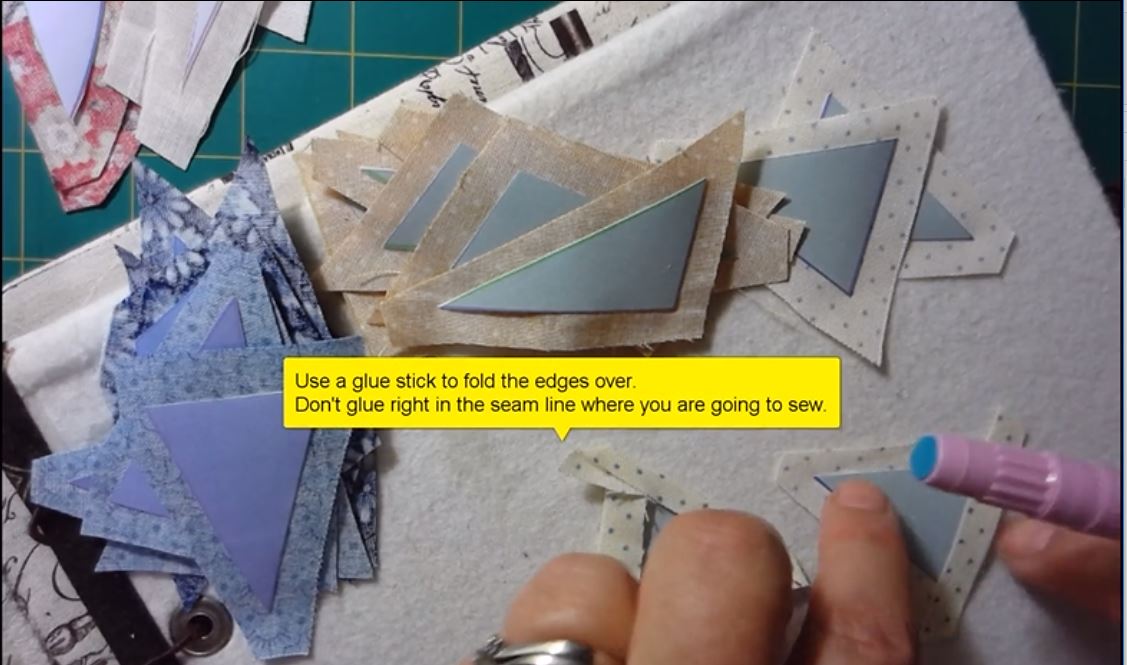
Gluing is a quick method but you go through the gluesticks pretty fast. The glued edges can be peeled or soaked off. Mostly you can reuse your templates. Best tip: Be a bit minimalist with the glue and don’t glue right in the fold.
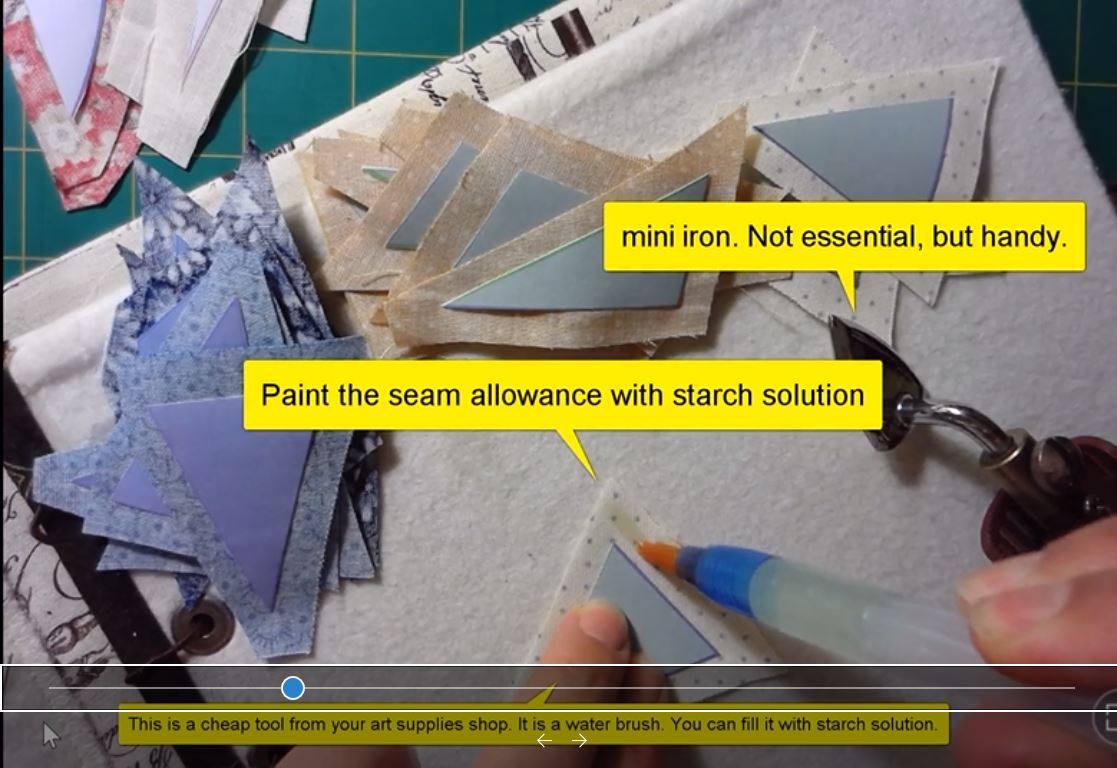
Starching takes a little more time, but its very easy to remove the papers (sometimes too easy). You do get a nice crisp fold that is easy to sew. Best tip: iron the freezer paper on well.
Methods such as inklingo and American piecing, I’ll leave for another post.
Here is the video showing the three methods for preparing templates
https://screencast-o-matic.com/watch/cFnTjtDcW6
Feel free to download the EPP pattern
https://ukqu.co.uk/shop/uncategorised/epp-template-block-1-from-the-king-george-quilt/
and do post a picture when you have made the block.
Next post is on comparing different stitching methods for EPP.


Responses