

Making a quilt is not just about cutting up perfectly decent fabric into tiny bits and then sewing it back together again – despite what our other half may think – there is a lot more to it. The first thing we need is either a pattern or an idea. Then we need to find just the right fabrics (and they are rarely in your stash – the first law of quilting). Having got both of those we can then start to cut everything up and join it back together again. Back in the days of our grandparents or great-grandparents the range of fabrics just wasn’t available, or even that affordable. Scraps were used to make quilts, quilts were used, worn out, recovered and used again, cut up and re-stitched (a bit like doing sides to middle on a worn out sheet), patched and mended until they finally fell apart beyond all rescue, at which point they could be used as the ‘wadding’ for another quilt along with bits of worn out blanket, worn out clothes and other clean ‘rags’.
But let’s go back to the beginning – we need a pattern or an idea. Where do the ideas come from? Some find inspiration for patchwork, quilting or applique in patterns they see around them – tiles, windows, bricks, nature; others in quilts they have seen or in the fabrics themselves.
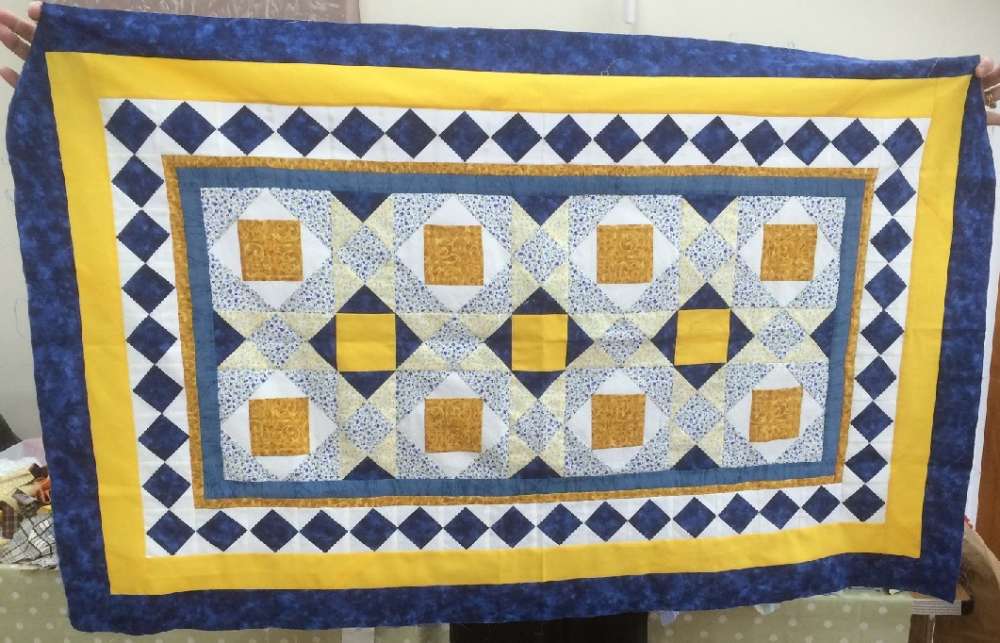
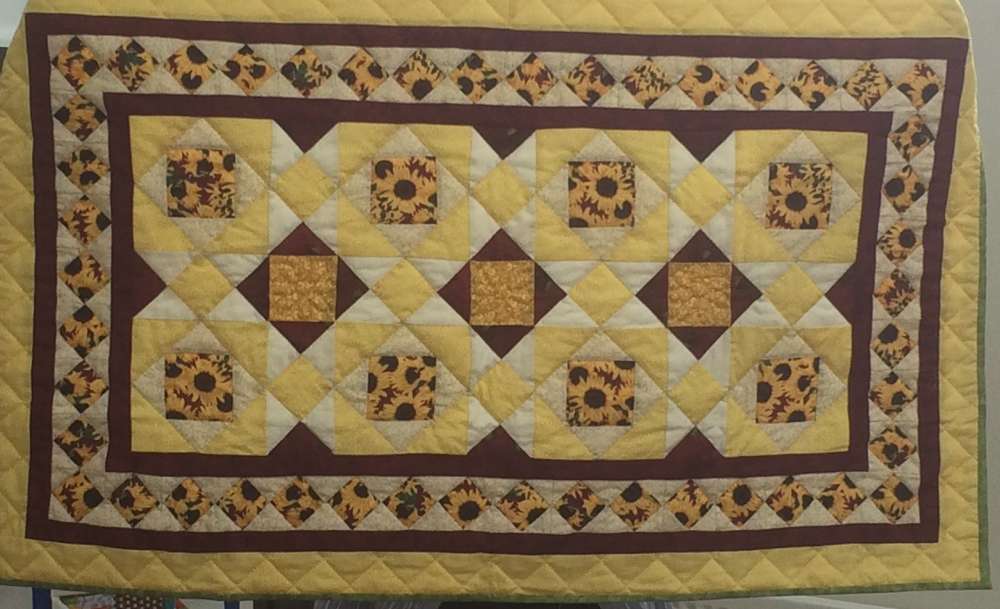
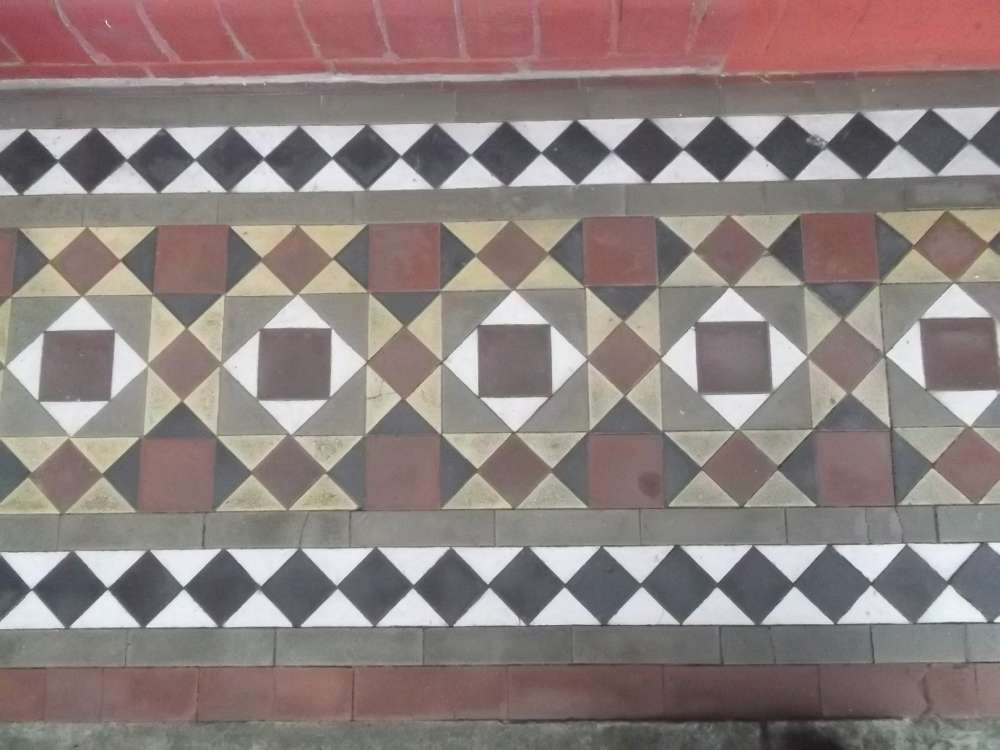
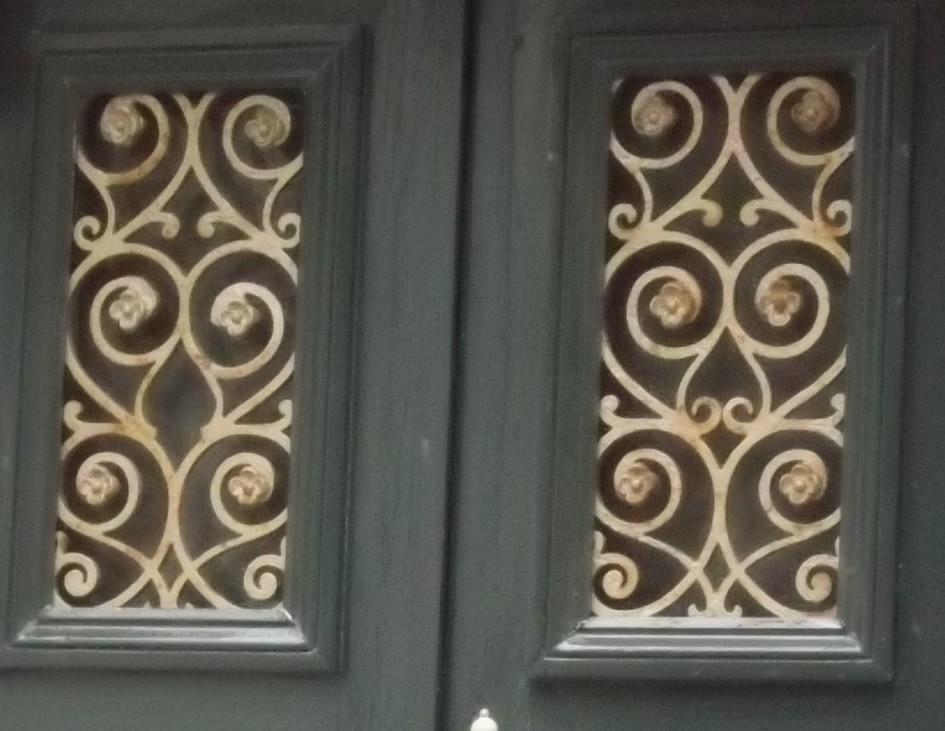
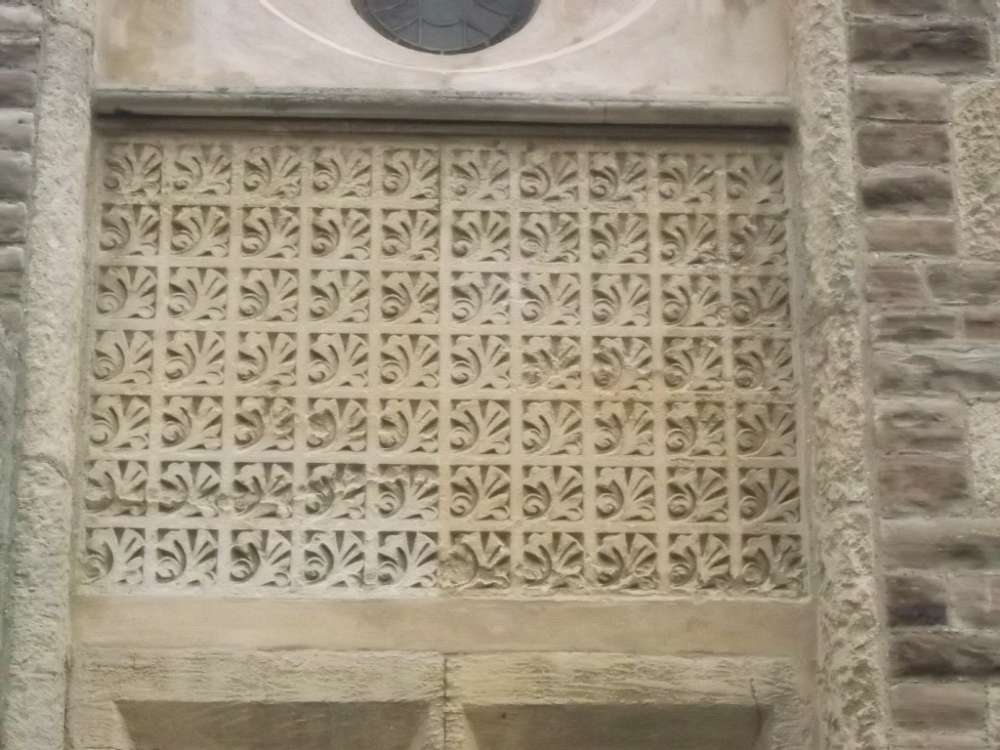
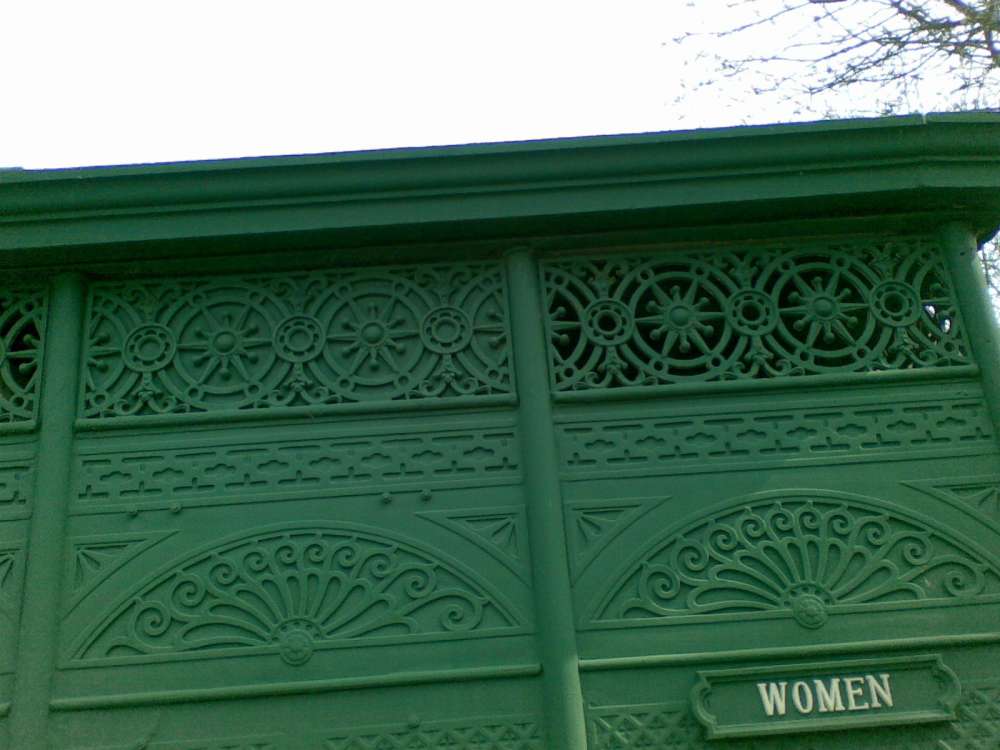

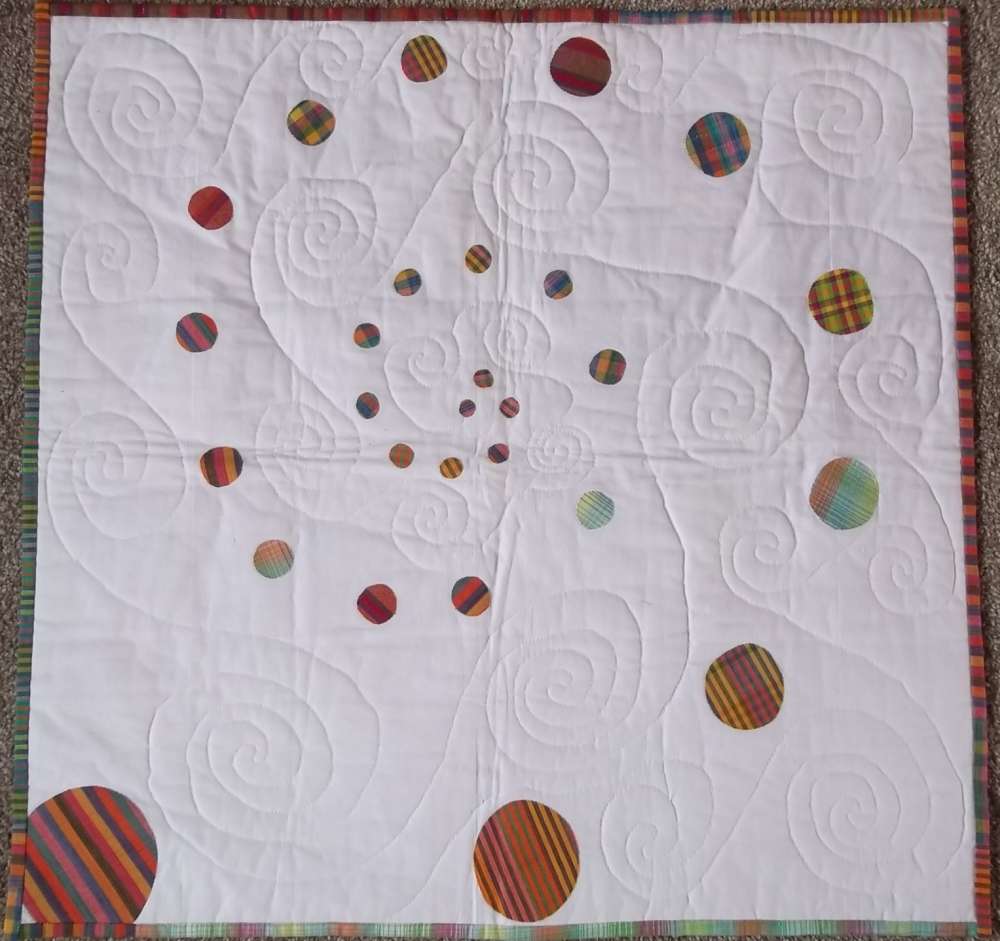
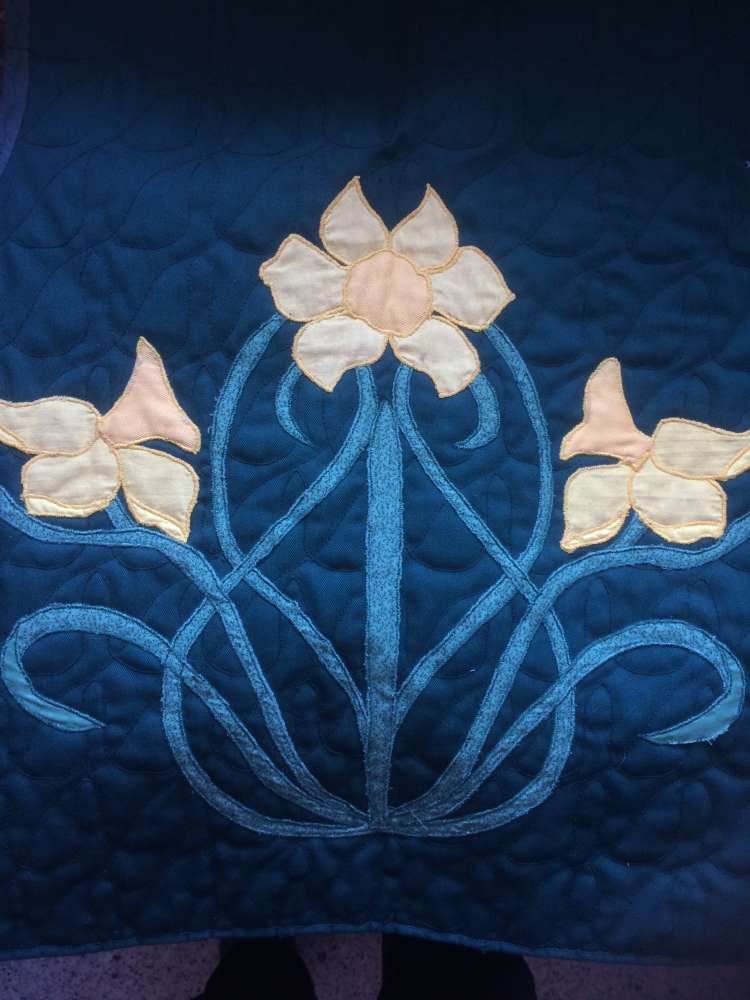
Should we use other people’s quilts as inspiration for our own? Opinion is divided, but inspiration is very different from ‘copying’. An exact copy is perhaps flattering, but the original quilt designer may not be too impressed especially if no mention of that original designer is made; using a quilt as inspiration however, and acknowledging where that inspiration came from is another matter, especially when the finished quilt may look very different from the one that originally inspired it. Equally when making a quilt from a magazine pattern you should credit the designer if you exhibit that quilt.
Many quilts of course, old and new, use blocks or units that have been around for millennia (the wrappings of Egyptian mummies for example are very akin to folded Log Cabin) and which can therefore be considered to be in the public domain. Even ‘cheater’ panels – fabrics with a patchwork design printed on them – use these shapes and are a very quick way of making a quilt. The 6-Pointed Star quilt that Hannah Hauxwell owned is an example of a cheater cloth – how else did all those points match so perfectly?!
What about using an old quilt for inspiration? The quilt is probably not in your ownership but the design of the quilt, the shapes used, are normally not uncommon. You are not going to be able to copy the quilt exactly as the fabrics will not be available, but why should you not use the layout as inspiration for your own design? There are only a few categories of layout and design – there are block quilts, using well-known named quilt blocks which may or may not be separated by sashing; strippy quilts are just how they sound – strips of patchwork and/or fabrics joined in long lines usually vertical; frame or medallion quilts which start in the middle and have borders added around and around; mosaic quilts are made from small geometric shapes such as hexagons, diamonds, octagons etc; and applique quilts which often used older embroideries as inspiration for their design (quilting designs were also taken from embroidery in some cases).
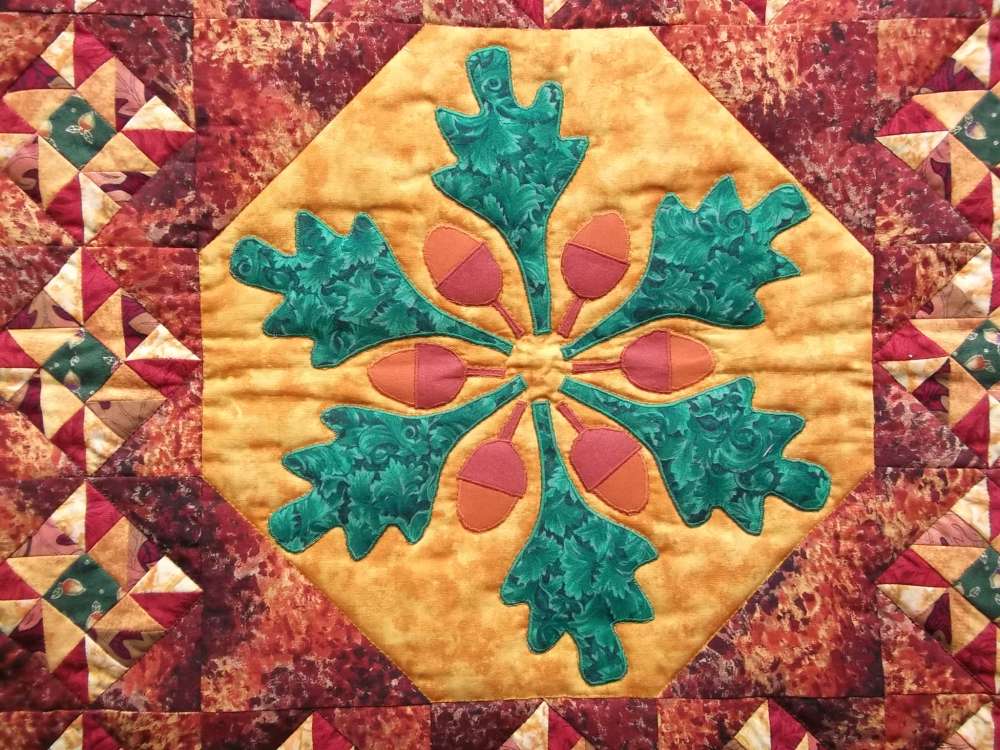
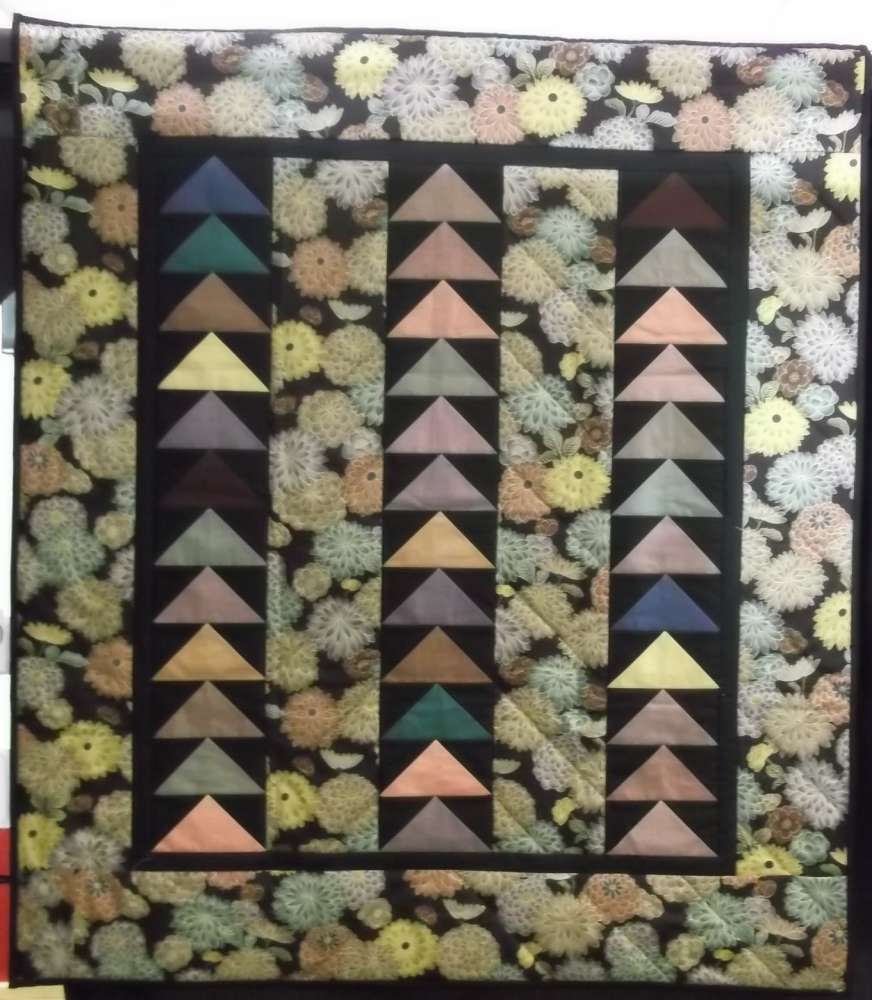
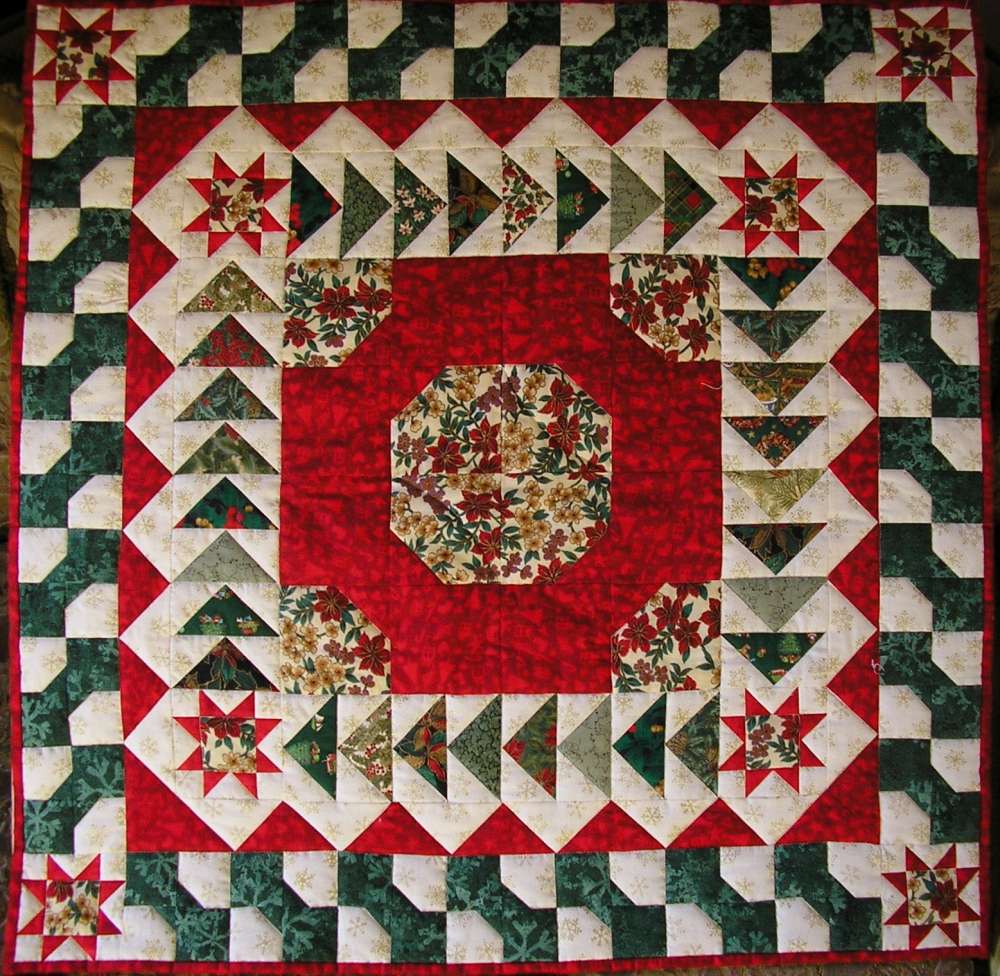
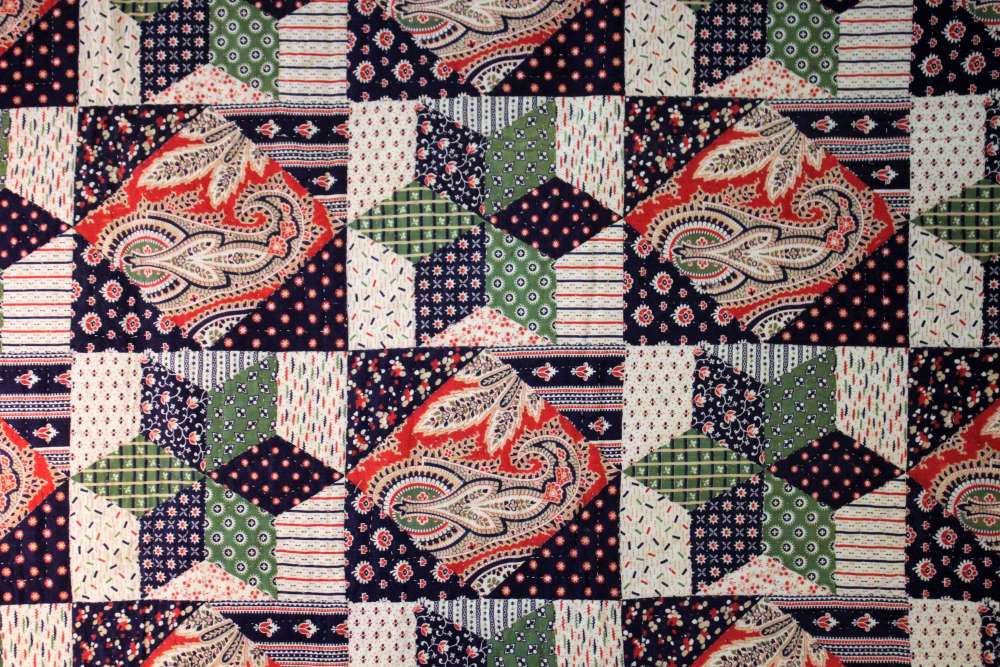
In the case of the cheater fabric 6-Pointed Star the units used are (as it says on the tin) a Six-Pointed Star and a Square in a Square (or Diamond in a Rectangle), both units commonly found in many quilts, old and new. These are then placed alternately to produce the pattern. But there are so many other ways to arrange these units – the quilt you could make is then very far from the original panel that sparked the inspiration and drafting of templates.
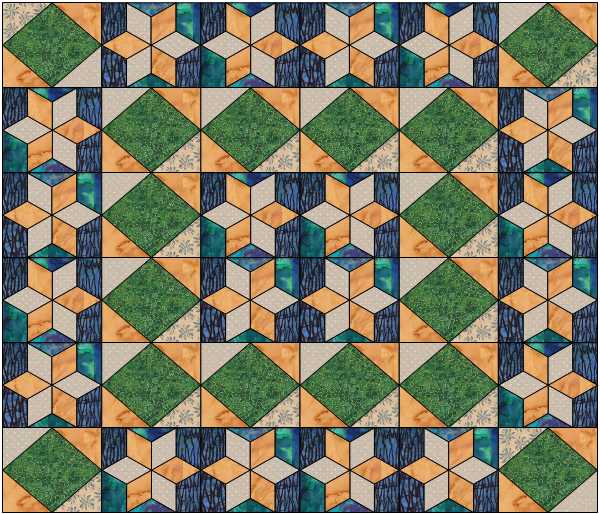
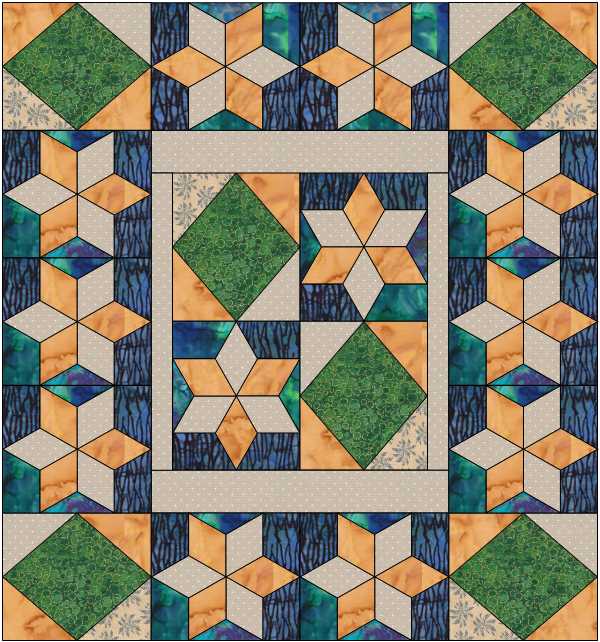
I enjoy using old quilts as inspiration or a starting point for my own quilts, their simplicity can often spark another idea – especially if I have ‘just the right fabric’. If all you have seen is a photo of an old quilt then you have no idea of the scale – that is the size of the quilt or of the units making up that quilt – so you are free to redesign those units, assuming they are not unique, to a size that suits you and put them together as you see fit. My feeling is that ownership of an antique quilt does not give absolute rights over the design – those belong to the original designer/maker, whoever they may have been – although a mention of the quilt owner would probably be appreciated if the quilt it inspired were shown at an exhibition. If a direct and exact copy of the quilt were made as a complete pattern for sale then it would be courteous to notify the owner in advance and offer a percentage of the pattern sale price, but drafting some templates for standard and common quilt units is not the same as providing a pattern or making an exact copy of the quilt. Let us not forget either that we are never truly the ‘owner’ of any antique merely a temporary custodian.
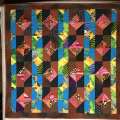
This is one of Ann Jermey’s antique quilts and the modern version she made –
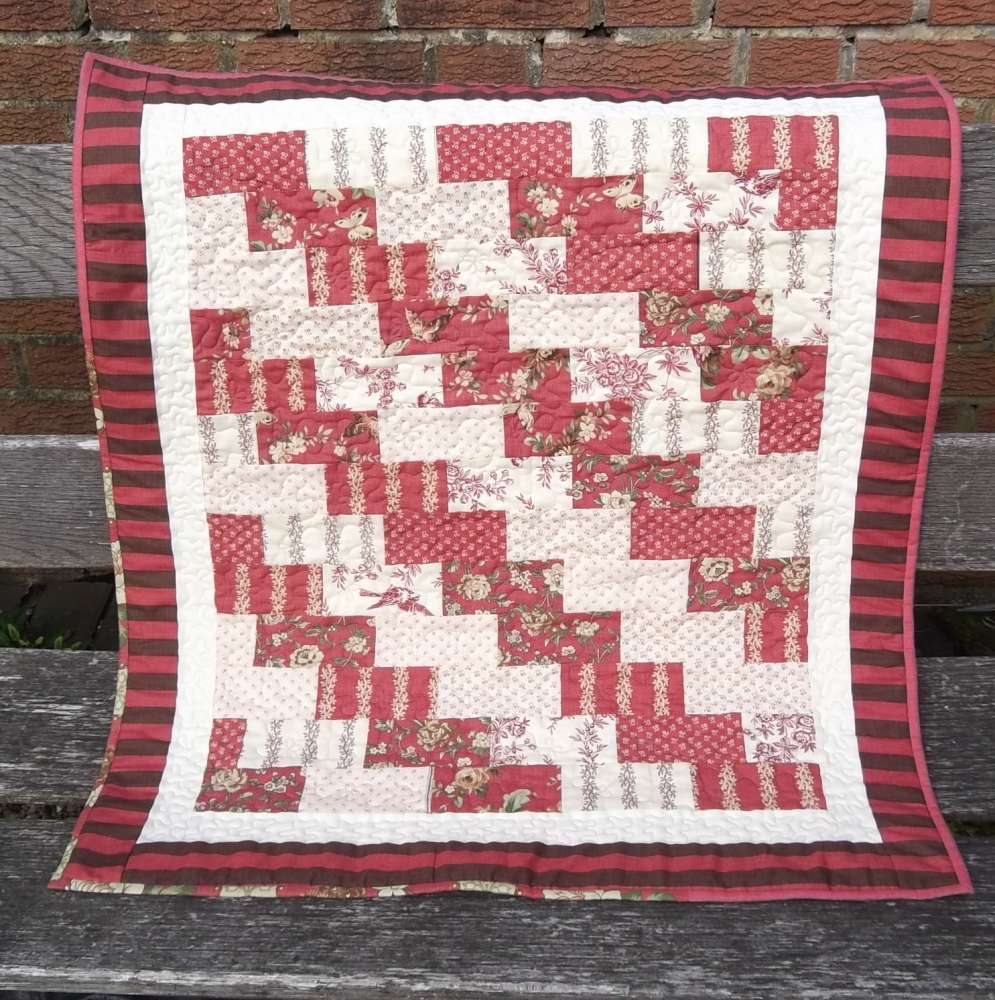
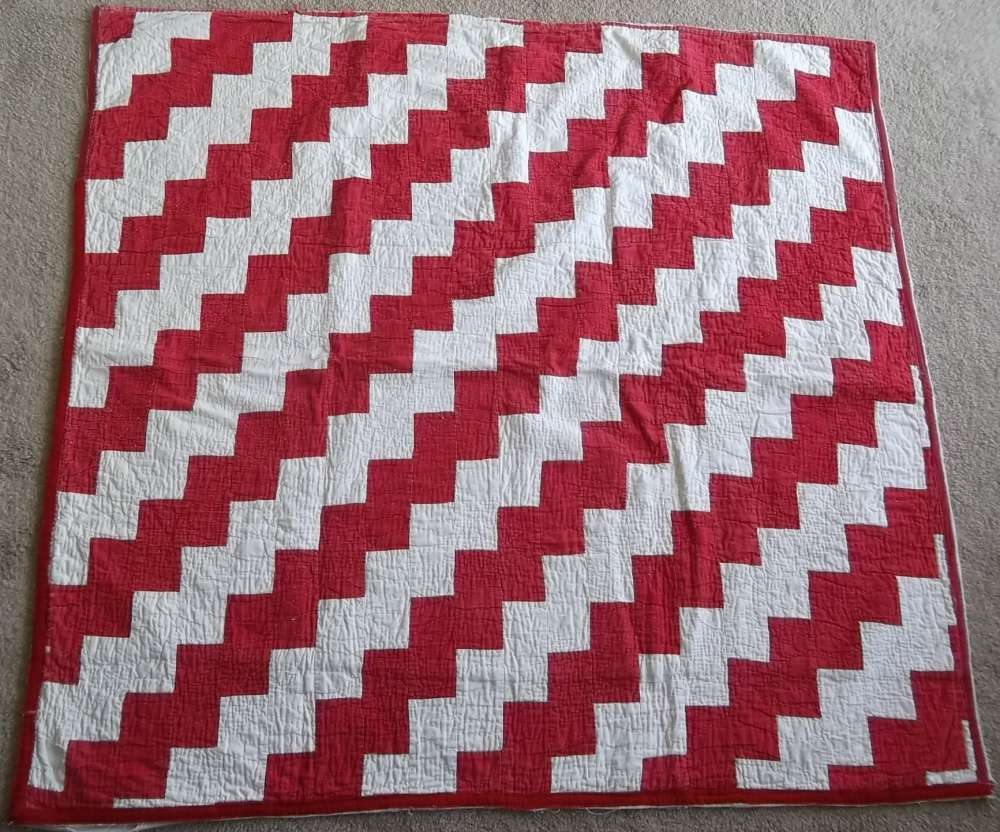
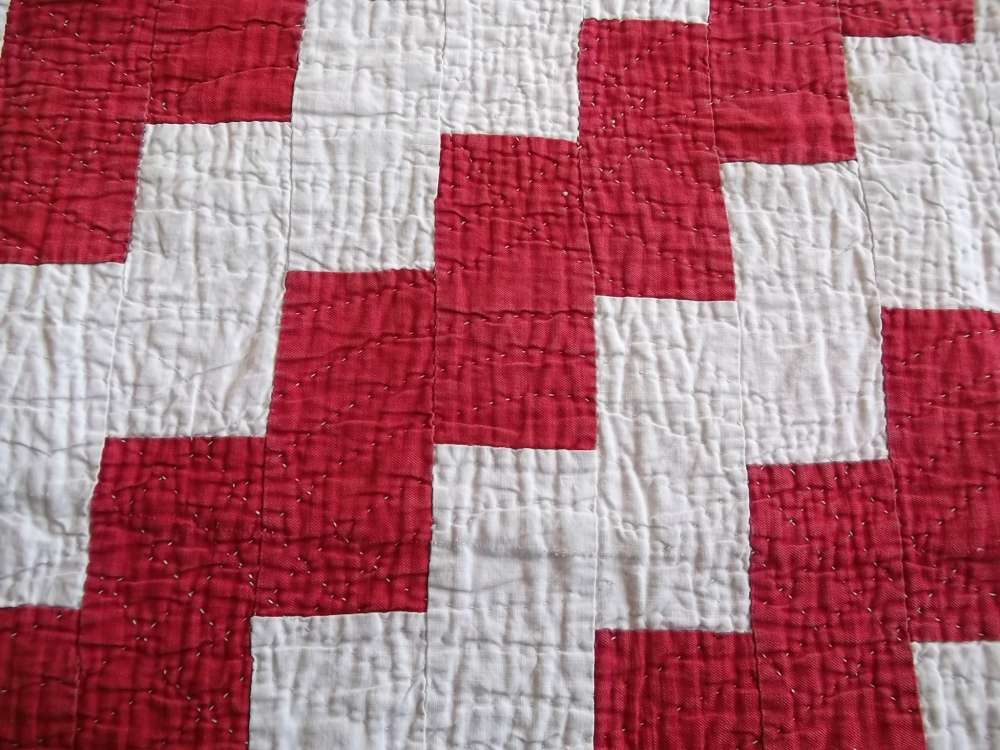
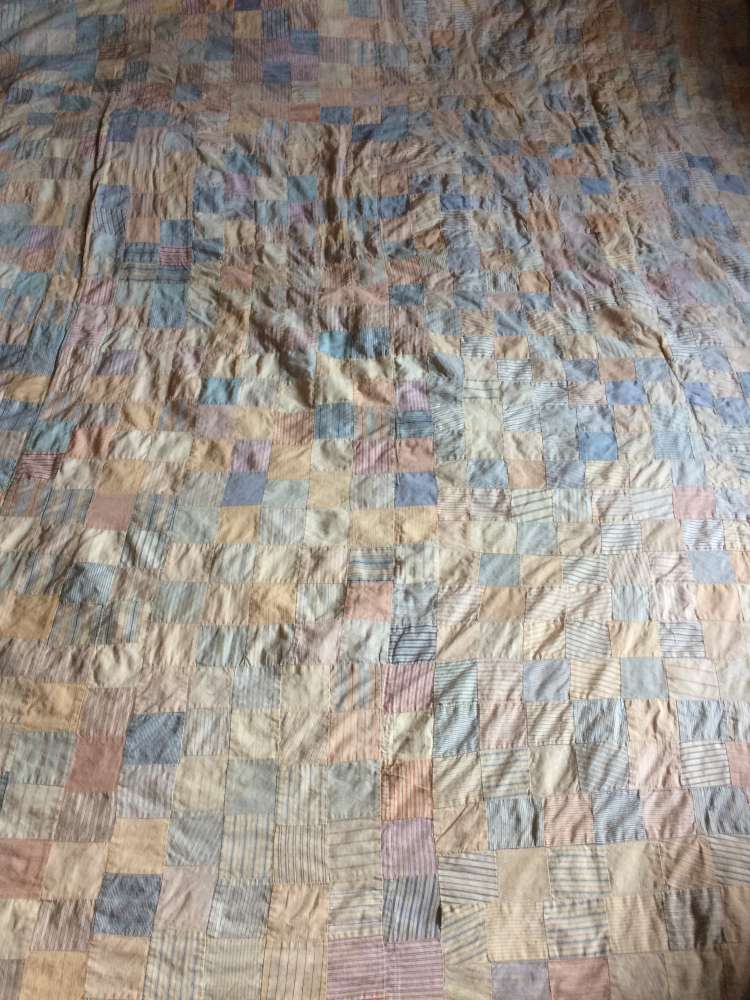
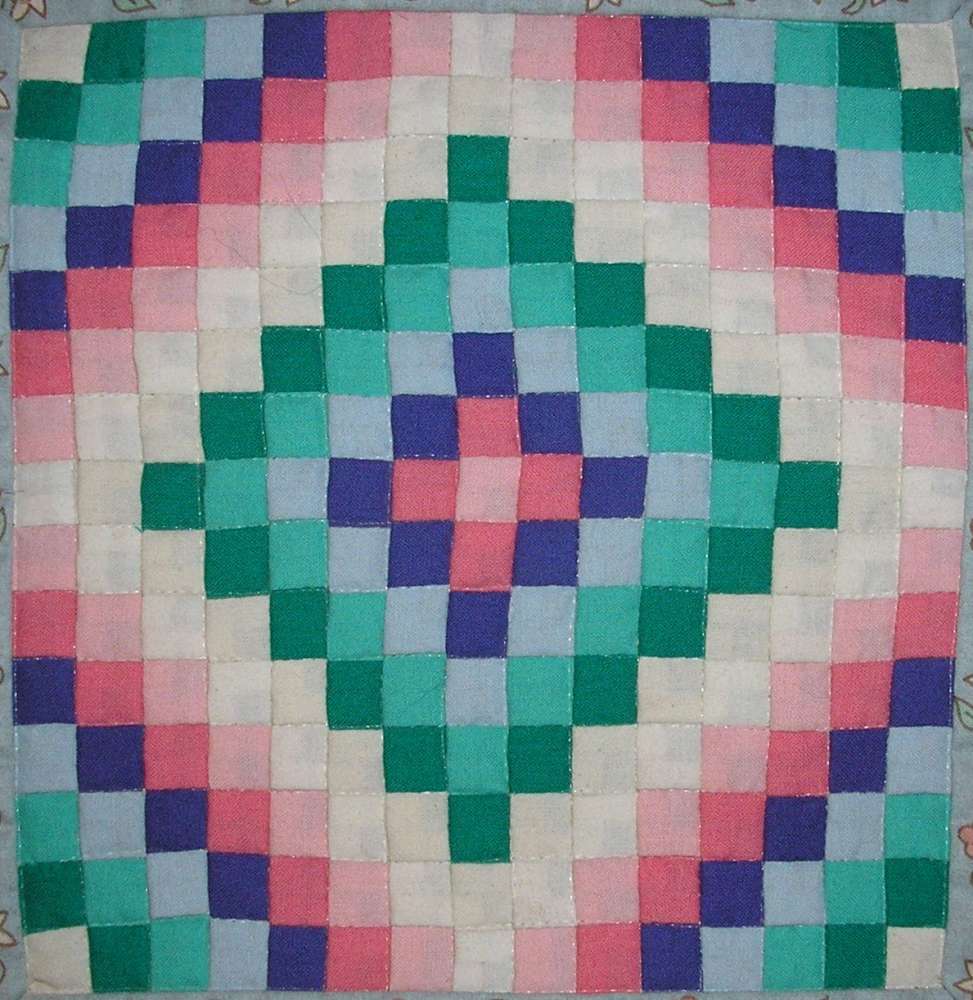
And this is an old quilt that came to me a few years ago. It’s made from shirting fabrics (samples?) stitched together in a rough sort of pattern consisting of squares on one side and rectangles on the other. The squares and rectangles are all slightly different sizes and stitched into approximate rows. I think it would make a lovely scrap quilt and one day I may well tip my scrap bags out and make something inspired by this quilt. Feel free to be inspired!
And the ‘header’ quilt – made many years ago for my daughter and taken from one of Jan Pienkowski’s illustrations in her favourite book with certain additions of her own choosing.

Responses